As an Amazon Associate, we earn from qualifying purchases. Some links on this site are affiliate links at no extra cost to you. Our recommendations are based on thorough research and editorial judgment.


How Do Motion Sensors In Swing Analyzers Work?

Motion sensors in swing analyzers work by employing various technologies to track and analyze swings. Key components include:
- Accelerometers: These measure acceleration related to free fall, providing critical data on swing speed and direction.
- Gyroscopes: They gauge angular velocity, offering insights into swing dynamics.
You may be interested

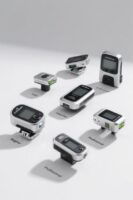

By integrating these sensors, systems achieve accurate measurements. Real-time feedback helps athletes refine their techniques. Continuous advancements in technology suggest exciting developments ahead in swing analysis accuracy and usability.
Key Takeaways
- Motion sensors in swing analyzers utilize accelerometers and gyroscopes to measure acceleration and angular velocity during swings.
- Accelerometers detect changes in motion, providing data on swing speed and angle by measuring deviations from free fall.
- Gyroscopes complement accelerometers by providing critical information on swing direction and timing, enhancing accuracy in swing analysis.
- Data from accelerometers and gyroscopes are integrated to improve precision and reduce errors in measuring swing metrics.
- Real-time feedback from these sensors allows players to make immediate adjustments and enhance their performance during practice.
Understanding Motion Sensors
Motion sensors play a fundamental role in the operation of swing analyzers, essential tools in sports technology. These sensors detect movement by responding to changes in the environment. To achieve accurate results, understanding sensor types is imperative.
Key points include:
- Active Detection: Employs emitted waves to track movement.
- Passive Detection: Relies on natural signals like body heat.
To enhance performance, noise reduction techniques are critical. Embedded computing processes help filter out environmental interference. This precision allows swing analyzers to capture essential metrics, such as swing speed and trajectory. Additionally, many swing analyzers utilize Doppler radar technology to improve measurement accuracy and performance analysis.
With customizable sensitivity settings, swing analyzers adapt to diverse environments. This guarantees reliable data in varied conditions. Consequently, the combination of sensor types and effective noise reduction forms the backbone of swing analyzer technology, fostering athlete improvement and performance tracking.
Types of Sensors Used in Swing Analyzers

Various types of sensors contribute greatly to the functionality of swing analyzers. Here’s a concise overview:
- Optical and Camera-Based Sensors: Utilize high-speed cameras for detailed swing analysis, but face optical limitations with lighting and obstructions.
- Gyroscope Sensors: Measure angular velocity for rotation speed, often combined with accelerometers for thorough tracking.
- Magnetometer Sensors: Determine swing direction relative to Earth’s magnetic field, correcting gyroscope drift and enhancing spatial orientation.
- Pressure and Force Sensors: Installed in grips to measure grip pressure and balance, essential for analyzing physical inputs.
- Radar and Doppler Sensors: Measure clubhead speed, offering numeric feedback; however, they generally lack detailed swing mechanics.
These sensors enable effective sensor comparison, providing valuable insights into mechanics for improvement. Moreover, the integration of technologies like high MOI features can enhance stability and performance during practice swings.
Recommended Products

Pro-Grade Accuracy with Prometrics Engine: The SC4 Pro golf launch monitor and golf shot tracker delivers precise ball and club head data, tracking from swing to impact to ball flight, offering unmatched real-time accuracy for both indoor and outdoor practice.

Advanced Doppler Radar Technology: Equipped with high-precision Doppler radar sensors for real-time, accurate tracking of both ball and club performance.

Practice with purpose with this lightweight and portable 3D Doppler radar launch monitor.
Working Principles of Accelerometers

Accelerometers serve an essential role in measuring acceleration, which is crucial for analyzing swings in sports applications. The basic principles of accelerometers involve:
- Proper Acceleration: Measures the acceleration relative to free fall.
- Proof Mass on a Spring: Movement of the mass leads to displacement, which helps quantify acceleration due to Newton’s 3rd law.
- Capacitive Sensor Types: Changes in acceleration shift a movable plate, modifying capacitance and generating electrical signals.
These devices convert mechanical energy into usable electrical outputs. Integrated signal processing circuits enhance measurement reliability and accuracy, keeping sports analysis precise. Various designs exist, ensuring the needs of swing analyzers are met through tailored sensitivity and response capabilities. In this way, accelerometers form the backbone of motion sensors within the sphere of sports performance analysis. Moreover, advanced metrics provided by golf swing trackers can significantly improve the player’s understanding of their swing dynamics.
Functionality of Gyroscopes

Gyroscopes play a critical role in measuring angular velocity, which is essential for analyzing swing dynamics in sports. These devices utilize angular momentum to sense changes in orientation, detecting rotation along three axes: yaw, pitch, and roll. Various gyroscope types serve this function, including:
- Mechanical gyroscopes: Use spinning rotors for orientation detection.
- Vibrating structure gyroscopes (VSGs): Leverage shifting vibrations in response to angular velocity.
- MEMS gyroscopes: Miniaturize components for compact applications.
The applications of gyroscopes in swing analyzers include:
- Measuring swing speed, angle, and direction.
- Providing critical data on swing plane and timing.
- Enhancing 3D motion analysis when integrated with accelerometers.
These capabilities enable real-time feedback to improve athletic performance effectively. Additionally, the integration of advanced tracking tech can further enhance the accuracy of swing analysis by providing detailed performance metrics.
Integrating Accelerometer and Gyroscope Data

How can the integration of accelerometer and gyroscope data enhance swing analysis? Combining these two sensors through signal processing techniques improves accuracy and consistency. This fusion allows for:
- Greater Detection: Subtle swing motions are identified more effectively than using individual sensors.
- Enhanced Metrics: Performance indicators like swing speed and angle are measured with precision.
- Noise Reduction: Algorithms, such as Kalman and complementary filters, reduce sensor noise, improving reliability.
- Dynamic Tracking: Real-time orientation and acceleration data capture, ensuring precise tracking throughout the swing phases.
Furthermore, by referencing gravity from the accelerometer, gyroscope drift is minimized. This reliable integration enables quick feedback for users, fostering an environment for improvement and belonging among players aiming for excellence. Moreover, the use of advanced tracking technology in devices like the Rapsodo MLM2PRO exemplifies how modern tools can further elevate swing analysis capabilities.
The Role of MEMS Technology
The integration of MEMS (Microelectromechanical Systems) technology plays an essential role in enhancing motion sensing capabilities for swing analyzers.
- MEMS Applications: These devices combine sensors, actuators, and electronics on silicon substrates, allowing for advanced motion detection in small formats.
- Sensor Miniaturization: MEMS sensors, such as accelerometers and gyroscopes, are remarkably compact, enabling them to be embedded in swing analyzers without adding bulk.
Key benefits include:
- High resistance to mechanical shock.
- Continuous data capture without disrupting performance.
- Simplified designs with fewer components, leading to lower power consumption.
This technology guarantees reliability and precision, greatly contributing to effective swing analysis. Additionally, the incorporation of real-time metrics enhances the ability to track performance instantly, further supporting improvements in swing technique. MEMS technology not only enhances performance but also fosters a deeper connection to the sport by providing valuable feedback for improvement.
Measuring Key Swing Metrics
Swing performance is encapsulated in several key metrics that provide valuable insights into a player’s effectiveness and efficiency. These metrics include:
- Swing Plane Measurement: Evaluates how well the bat maintains the ideal swing path, measuring on-plane efficiency as a percentage.
- Bat Speed and Acceleration: Tracks peak speeds during the swing, indicating power potential while measuring explosiveness.
- Hand and Wrist Movement Dynamics: Assesses the efficiency of hand paths and wrist angles to guarantee swing control.
- Timing and Swing Duration Metrics: Calculates total swing duration, analyzing tempo for better timing against pitch speed. Additionally, the use of advanced sensors in swing analyzers enhances the accuracy of these metrics, providing immediate feedback for players.
Data Processing Algorithms
While many athletes rely on intuition and practice to perfect their swings, data processing algorithms greatly enhance the analysis of motion captured through sensors. These algorithms employ several key techniques:
- Data Clustering: This segments temporal sensor signals into key swing events by grouping similar movement patterns.
- Pattern Recognition: Finite State Machines classify swing gestures based on accelerometer data, accurately identifying distinct swing types.
- Signal Modeling: Bidirectional Long Short-Term Memory networks segment swing phases, minimizing timing errors to under 40 ms.
- Frequency Analysis: Multivariate Empirical Mode Decomposition decodes biomechanical components, revealing insights into swing faults.
- Error Validation: Training sets with expert data improve reliability in swing classification and performance metrics. Additionally, advanced monitors provide consistent data for serious evaluations, emphasizing precision for effective skill development.
Real-Time Feedback Mechanisms
Real-time feedback mechanisms greatly enhance the training experience for athletes by providing immediate insights into performance. These systems allow for:
- Seamless data transmission via Bluetooth Low Energy, enabling instant updates.
- Continuous monitoring of swing speed, attack angle, and more, facilitating real-time adjustments.
- Immediate corrections through visual overlays and voice notifications that correspond to swing mechanics.
Athletes receive graphic displays, such as speedometers, enhancing understanding of key metrics. This rapid feedback supports muscle memory development by allowing self-correction mid-session. Additionally, the system can differentiate between various strokes, tailoring insights that cater to specific training needs. With a latency of under one second, athletes can engage actively in their practice, turning each session into an opportunity for growth and improvement. Furthermore, understanding low bounce wedges can significantly impact short game performance by enhancing accuracy and control during practice sessions.
Mobile App Integration
Mobile app integration represents a significant advancement in swing analysis technology, empowering athletes to leverage data in their training regimens.
- These mobile app features facilitate real-time data transmission via Bluetooth or Wi-Fi, ensuring immediate visualization of swing metrics like speed and angle.
- Automatic pairing with sensor devices simplifies user experience, supporting all skill levels.
- Integration with external launch monitors enhances data collection, creating a holistic training environment.
- Cloud synchronization allows users to access data across multiple devices, ensuring secure long-term tracking.
- Personal analytics reveal trends in performance over time, and customizable dashboards provide insights into individual strengths and weaknesses.
- Utilizing comprehensive tracking can further enhance golfers’ ability to analyze their performance metrics effectively.
With these tools, golfers can make informed adjustments, fostering continuous improvement in their overall performance and ability.
Recommended Products

Hit the golf ball further, straighter and more consistently

TOUR LEVEL SHOT TRACK ACCURACY — Doppler radar & dual camera setup ensure reliable data on every shot to help you improve faster.

Measures » Carry/Total Distance » Smash Factor » Launch Angle » Swing Speed » Apex (Max Height) » Ball Speed
Installation and Setup Process
To guarantee peak performance from swing analyzers, a well-structured installation and setup process is essential. This includes several key steps:
- Unboxing and Sensor Charging: Utilize the included charging pad or USB cable. Initially, the charging indicator light will show red and switch to green when fully charged, which takes about 45 minutes.
- Sensor Attachment: Securely clip or screw the sensor onto the club or bat handle. Confirm the sensor logo aligns with the clubface or bat for maximum data capture.
- Alignment Checks: Confirm proper positioning. Visual or app-guided prompts can assist users in adjusting orientation to minimize interference during swings.
Calibration for Accuracy
Calibration for accuracy is critical in guaranteeing that motion sensors in swing analyzers provide reliable data. This process typically involves the following steps:
- Baseline Position: The sensor is placed flat and parallel to the ground to establish a zero-degree reference point.
- Secondary Position: Users lift the arm or sensor to capture an angle range between 30–45 degrees for accurate measurements.
- Alignment: Sensors must be correctly aligned on the equipment to minimize measurement errors.
It’s essential to perform sensor calibration before each practice session. Regular re-calibrations guarantee that accuracy metrics remain valid. Misalignment beyond acceptable limits can skew data, leading to inaccurate swing analysis. Consequently, adhering to calibration procedures enhances the quality and reliability of the captured data.
Recommended Products

【 COMES WITH DISPLAY】Can directly calculate the current power value.The sensor comes with display with a resolution of 128x64.
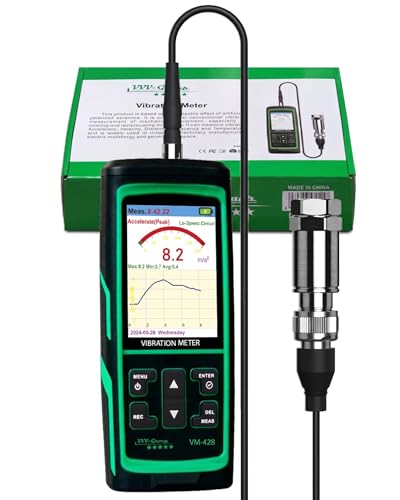
PROFESSIONAL VIBRATION ANALYZER – VM-428 WITH EXTERNAL SENSOR - Designed for advanced vibration diagnostics on motors, turbines, pumps, compressors and rotating machinery where higher measurement ranges and additional diagnostic parameters are required.

ZERO ANNUAL FEES + ENVIRONMENTAL SENSORS: Enjoy a smart app with zero subscription required! One-time download, lifetime use, and all features are fully accessible. Built-in temperature, humidity, and barometric pressure modules automatically adjust your shot data to real-time conditions. This provides true-to-life accuracy for both indoor and outdoor training with absolutely no hidden fees.
Application in Sports Training
Motion sensors in swing analyzers play a significant role in elevating athletic performance through precise data capture and analysis. These devices provide training benefits by offering:
- Real-Time Feedback: Athletes receive immediate data on swing metrics like speed, angle, and rotation. This fosters quick adjustments, enhancing muscle memory.
- Quantitative Insights: Monitoring metrics helps pinpoint weaknesses. For instance, swing tempo can be optimized for consistency.
- Video Integration: Visual comparisons with professional swings guide athletes towards improvement.
- Custom Drill Recommendations: Based on recorded data, specific drills focus on areas needing attention.
- Accessibility: Portable sensors support practice anytime, maximizing swing repetitions, particularly during the off-season.
Ultimately, these features drive performance optimization for athletes, fostering their growth and advancement in their sport.
Recommended Products

What's Included: Enjoy indoor golf simulation with the included Optishot 2, software, USB cable, adjustable rubber tees, and two foam practice golf balls.
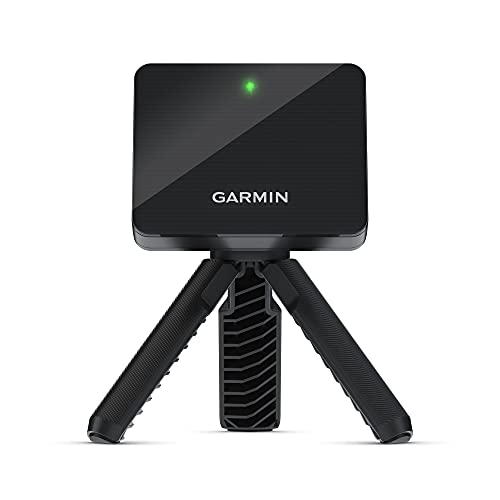
Work to improve your game at home, indoors or on the driving range with a portable launch monitor .Waterproof : IPX7.Control Method:Application,VoiceWater Resistant: Yes
Work to improve your game at home, indoors or on the driving range with a portable launch monitor .Waterproof : IPX7.Control Method:Application,VoiceWater Resistant: Yes.Club Head speed accuracy : plus/- 3 mph, Ball speed accuracy : plus/- 1 mph, Launch angle accuracy : plus/- 1 degree, Launch direction accuracy : plus/- 1 degree.
Analyzing Performance Trends
Analyzing performance trends in golf swing analysis reveals notable advancements in player statistics and biomechanics. The integration of motion sensor technology has facilitated significant improvements:
- Average golf scores decreased from 15.31 to 14.97 over par between 2019 and 2026.
- The average handicap fell from 14.6 to 13.9.
- Fairway accuracy improved slightly from 34.8% to 35.1%.
- Average driving distance rose by over 5 yards.
These metrics illustrate how golfers track their performance against established performance benchmarks. The use of data fosters trend analysis, allowing players to identify areas for improvement. By leveraging statistical evidence from platforms like the USGA, golfers can contextualize their performance, thereby promoting a sense of community and continuous growth within the sport.
Future of Swing Analysis Technology
As technology continues to evolve, the future of swing analysis in golf is poised for remarkable advancements. Key trends indicate that:
- AI Integration: Personalized, data-driven insights will become standard, using machine learning to enhance swing accuracy, available for all skill levels.
- Sensor Technology: Improvements in motion sensors will yield precise metrics, like swing speed and hand movement, driving better performance.
- Wearable Devices: Smart technology will allow real-time tracking of swing metrics and heart rate, fostering wider user accessibility.
- Augmented and Virtual Reality: These technologies will visualize corrections instantly, making learning engaging and effective.
Frequently Asked Questions
How Do I Choose the Right Swing Analyzer for My Sport?
To choose the right swing analyzer, assess essential swing analyzer features, ensuring they provide sport-specific analysis tailored to performance goals. Evaluating data precision and compatibility with equipment enhances one’s training experience and fosters a sense of belonging in the sport.
Can Swing Analyzers Be Used Indoors Without Hitting a Ball?
Swing analyzers can effectively be used indoors without hitting a ball, achieving sensor accuracy that allows detailed insights into swing mechanics. This enables consistent indoor practice, fostering improvement and fostering a nurturing community among athletes.
How Long Does Battery Life Typically Last on Swing Analyzers?
Battery longevity in swing analyzers typically ranges from 5 to 20 hours, influenced by power consumption and use frequency. Understanding these metrics helps enthusiasts select devices that suit their training needs best.
Are Swing Analyzers Safe to Use for All Skill Levels?
Swing analyzers, equipped with advanced features, are safe for all skill levels. Beginner users benefit from accessible designs, while experienced players enjoy precise feedback, fostering a sense of belonging in their golfing community and skill progression.
Can I Share Swing Data With My Coach or Trainer?
Yes, swing data can be easily shared with coaches or trainers. Through data sharing features, players enhance coach collaboration, enabling tailored feedback and strategic adjustments, which fosters a supportive environment for skill development and improvement.


