As an Amazon Associate, we earn from qualifying purchases. Some links on this site are affiliate links at no extra cost to you. Our recommendations are based on thorough research and editorial judgment.


Common Swing Analysis Mistakes Every Golfer Should Avoid

Common swing analysis mistakes often stem from overlooking key fundamentals. Golfers may grip the club too tightly, known as the “death grip,” which restricts wrist movement. Incorrect posture can lead to swing faults, with advanced players showing reduced center of mass displacement by up to 22%. Poor ball positioning impacts shot contact, while improper stance width reduces stability. Finally, neglecting balance and rhythm can lead to erratic performance. Understanding these pitfalls is essential for improvement and successful play. More insights await ahead.
Key Takeaways
- Over-gripping the club can hinder wrist movement and lead to inconsistent shots; aim for a grip pressure around a 4 on a scale of 10.
- Ignoring proper stance width can reduce swing efficiency and stability, hindering your power generation during swings.
- Poor posture can cause swing faults; ensure correct spinal alignment to support weight distribution and optimize swing path.
- Misaligning body parts to the target line affects shot accuracy; use visual aids to maintain proper positioning throughout your setup.
- Neglecting foot pressure management can result in erratic ball striking; reinforce proper weight distribution for smoother, more consistent swings.
Over-Gripping the Club: The Death Grip Dilemma
You may be interested


Over-gripping the club, often dubbed the “death grip,” is a common mistake that golfers may not even realize they are making. This excessive grip pressure leads to several issues:
- Restricted Wrist Movement: Tight hands limit natural wrist hinge, negatively impacting swing fluidity.
- Inaccuracy: Improper grip pressure can cause the clubface to misalign, leading to hooks or slices.
- Decreased Power: Over-gripping reduces clubhead speed, hindering overall distance.
Golfers often tighten their grip from anxiety, yet the club rarely slips during play. Increasing mental awareness about grip pressure can help golfers recalibrate. Testing grip tension on a scale of 1 to 10, ideally around a 4, can foster better swing mechanics. Implementing practice drills focusing on looseness can encourage improvement and consistency. Additionally, ensuring proper grip size compatibility is crucial for comfort and control during your swing.
Recommended Products

[MOTOR & BATTERY] 1000W Differential Brushless Motor, 60V Sealed lead acid (SLA-AGM) battery- 12V/20AH*5 pcs made by top brand TIANNENG

Zip Fold Technology-Innovative & compact one piece frame engineered zip fold system will make setup easy and quick to and from the course. Newly Engineered Zip Fold System is 12% lighter and 25% smaller for easy transport and space savings to and from the course. The rear wheels can be inverted on the axle to reduce the size of the footprint when not in use. Folded Dimensions (Inverted Rear Wheels); 27.55 X 18.5 x 16.5 Inches. Weight (No Battery) 30.91 LBS (With Battery: 37.31 LBS)

Smart remote control modes: Take full command of your game with the wireless remote featuring precise directional control and a "Remote Cruising" mode to maintain a constant pace. Includes a manual mode, allowing you to push the cart like a standard golf trolley if the battery is turned off.
The Importance of Correct Posture

Understanding the importance of correct posture in golf is vital for enhancing performance and avoiding injuries. A well-executed posture analysis reveals key factors contributing to balance improvement.
- Proper spinal curvature allows weight distribution to be balanced between the balls of the feet.
- Advanced golfers show 19-22% less center of mass displacement compared to novices, indicating greater stability.
- Poor posture leads to swing faults, such as excessive weight on the heels, affecting swing dynamics.
Correct alignment facilitates an ideal swing path, reducing compensatory motions that hinder consistency. Furthermore, ideal posture allows for efficient shoulder and hip rotation. This coordination maximizes power while preventing injuries. Elevating posture awareness is important; focused practice leads to long-term benefits and a more fulfilling golfing experience. Additionally, mastering short game skills is essential for overall golf performance, as it significantly contributes to lowering scores on the course.
Ball Positioning: Finding the Sweet Spot

Finding the ideal ball position in a golfer’s stance is an essential element for effective shot-making. Proper ball placement enhances players’ chances of making consistent contact with the club’s sweet spot.
Recommended Products

Dual-Sided for Left & Right-Handed Golfers: Built-in hitting strips on both sides of the center stance give you completely symmetrical hitting zones, no need to move the mat when switching hands. Ideal for shared garages, pro shop bays, teaching studios, or family practice setups.

What's Included: Enjoy indoor golf simulation with the included Optishot 2, software, USB cable, adjustable rubber tees, and two foam practice golf balls.

Realistic 1" Nylon Blades: Durable turf simulates real grass, offering an authentic feel for every swing without leaving plastic debris on your clubs.
Key Points for Ball Positioning:
- Irons and Wedges: Position the ball just forward of center for best low-point contact.
- Fairway Woods and Hybrids: Place the ball two ball widths ahead of center to encourage a sweeping swing.
- Drivers: Set the ball just inside the front heel for an upward strike.
Common Mistakes:
- Placing the ball too far back can lead to thin shots.
- Failing to adjust ball position for each club often results in inconsistent hits.
Practicing with drills, like the gate drill, can help in achieving that perfect sweet spot connection. Additionally, using a realistic practice experience with high-density turf mats can enhance your ball positioning skills even further.
The Role of Stance Width

The efficiency of a golfer’s swing hinges on various factors, one of which is stance width.
- Optimal Width: A stance no wider than shoulder width maximizes full swing efficiency.
- Stability Balance: While a wider stance increases static stability, it can impair dynamic stability. This misalignment reduces rotational capability and increases injury risk.
- Balance and Rotation: Proper stance width supports a full shoulder turn, essential for power generation.
- Individual Adaptations: Adjustments may be necessary based on physical traits, but should remain within the shoulder-width range.
In essence, mastering the right stance width fosters improved swing mechanics. This leads to enhanced consistency and overall performance, allowing golfers to achieve greater success on the course. Additionally, using golf alignment rods can further assist in developing a proper stance and swing path.
Recommended Products

REAL TIME FEEDBACK | Use with our padded golf alignment rods to quickly create precise golf training angles that keep you in your desired swing channel. If you make contact, don't worry. Our padded golf sticks will protect you & your clubs.

The Callaway Heritage Wood Alignment Sticks design was inspired by the vintage hickory wood shaft style with painted stripes on either end of them and include (2) 45'' alignment stix

* Made in the USA * Natural Hickory Wood * Handmade
Aligning Your Body to the Target Line
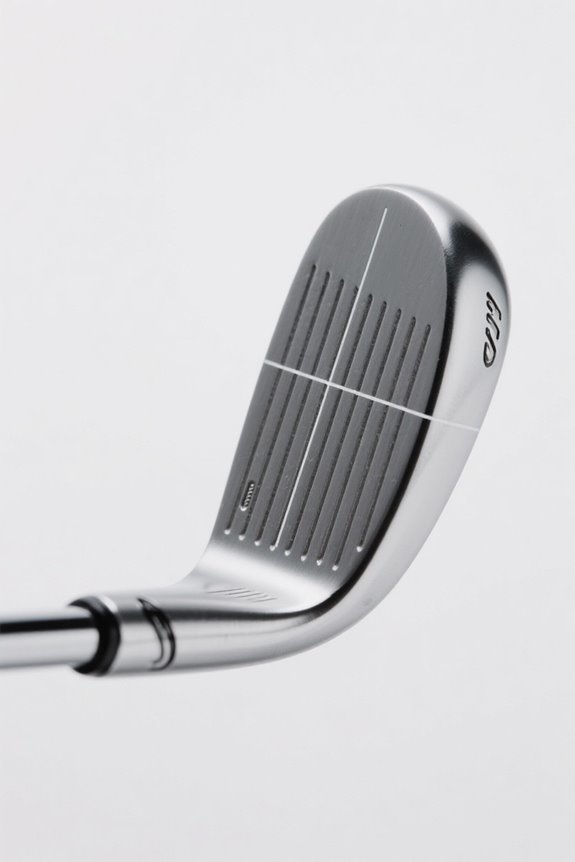
Achieving precise alignment to the target line is vital for golfers aiming to improve shot accuracy and consistency. Proper body alignment involves setting toes, knees, hips, and shoulders parallel left of the target line. Key steps include:
- Visualize Two Parallel Lines: One for the target and one for your body.
- Use Alignment Drills: Place alignment sticks or clubs on the ground to reinforce body positioning.
- Check Your Toe Line: Confirm knee, hip, and shoulder lines stack over your toes, maintaining parallelism.
Body tension should be relaxed yet firm, preventing any unnecessary movement. Regular practice of these techniques builds muscle memory, creating a square-to-target path essential for straight shots, ultimately improving on-course performance through consistent alignment. Utilizing golf alignment sticks can enhance swing precision and posture, further supporting your training efforts.
Avoiding the “Over the Top” Swing
Most golfers, regardless of skill level, encounter issues with an “over the top” swing at some point. This swing fault occurs when the clubhead moves outside the target line during the downswing sequence.
Key Characteristics:
- Swing Plane Issues: The ideal club path should be inside-square-inside, but “over the top” leads to slices and pulls.
- Common Causes: Excessive upper body dominance, poor wrist positioning, and insufficient weight transfer can disrupt the swing plane.
- Symptoms to Watch: A steep swing path often results in inconsistent ball striking and reduced power.
Corrective Strategies:
- Focus on wrist position at the top.
- Initiate the downswing with hips and legs.
- Practice drills to enhance body rotation through impact.
Consistent attention to these aspects can guarantee a more effective swing. Additionally, utilizing golf swing aids can provide immediate feedback to help correct these swing faults.
Recommended Products

ADJUSTABLE BALL SPEED & SPIN CONTROL: Fine-tune your practice sessions with adjustable ball speeds ranging from 10 to 80 MPH. Simulate gentle volleys to high-speed ground strokes while adding heavy topspin or backspin for competitive game situations.

COMMERCIAL GRADE HEAVY DUTY IMPACT SCREEN: Built to withstand high speed golf ball impacts for lasting durability; Multi layer design reduces rebound and provides a smooth projection surface for all major launch monitors

Lightweight & Ergonomic Design: This This lightweight, foldable wheelchair for seniors with attendant brakes features 24" rear wheels and an ergonomic frame designed for everyday comfort and support. The upgraded ergonomic hand rims make it easier to push the wheelchair for extended use.
Timing and Release: Avoiding Early Casting
Understanding timing and release in the golf swing is pivotal for improving performance on the course. Early casting can greatly hinder a golfer’s potential, resulting in decreased distance and accuracy. Here are key points to reflect on:
- Definition: Early casting means releasing wrist angles prematurely during the downswing.
- Impact: This timing mistake can reduce clubhead speed by as much as 20%, leading to inconsistent shots.
- Mechanics: Proper timing techniques involve maintaining wrist hinge and avoiding premature release.
- Drills: Engage in wrist retention drills to enhance release mechanics and prevent casting. Additionally, utilizing Doppler radar technology can provide precise feedback on swing performance, helping to identify timing issues more effectively.
Managing Weight Transfer During the Swing
Effectively managing weight transfer during the golf swing is crucial for achieving a powerful and consistent shot. Proper weight distribution begins with a balanced setup, targeting 50% on each foot. During the takeaway, weight shifts naturally, with about 75% on the back foot at the top. This balance fosters a robust coil for energy.
Transitioning to the downswing, the hips should initiate subtle pressure shifts towards the lead foot, allowing for an efficient swing sequence. Common mistakes include over-shifting weight too early and mismanaging pressure changes, leading to erratic ball striking. To improve, golfers can use drills that reinforce proper foot pressure. Understanding these dynamics guarantees a smoother connection to the ground and maximizes power output. Incorporating core strengthening exercises can further enhance stability and balance during your swing.
Recommended Products

SALTED SMART INSOLES: It is a personalized smart golf coaching solution that will improve your driving distance. It analyzes weight shift during a swing and explains the optimal personal swing balance.

NEVER MISS ANOTHER EASY PUTT; Stop missing putts from 10 feet and in; Drain more putts for birdie and par; Lag it close from long distance and hole pressure putts like a seasoned pro

The Smarter Way to Train for Golf – Improve your swing speed, flexibility, and strength with the GolfForever Swing Trainer. Designed for golfers of all levels, this system enhances your mobility, stability, and power for better performance on the course.
Maintaining Proper Balance Throughout Your Swing
Maintaining proper balance throughout a golf swing is essential for consistent performance on the course. Proper weight distribution, emphasizing the centers and balls of the feet, stabilizes posture. This controlled positioning leads to more repeatable swing movements. Without it, golfers risk mishits and inconsistent ball striking.
To improve balance, golfers can incorporate balance drills, such as lifting toes, to focus on weight distribution. Research shows that a balanced swing not only enhances swing speed but also helps transfer energy efficiently, leading to longer drives. Furthermore, golfers can utilize advanced club data metrics to track their balance and swing performance, ensuring continuous improvement.
Moreover, golfers of all skill levels can benefit from balance improvement as it enhances flexibility and reduces injury risks. Developing effective balance is key for a smooth, powerful swing. Emphasis on balance is crucial for every aspiring golfer.
Understanding Swing Timing and Rhythm
A golfer’s performance considerably depends on swing timing and rhythm, as these elements govern the coordination of movements throughout the swing. Proper swing sequencing involves a coordination ratio of approximately 3:1, with the backswing taking three times longer than the downswing. This ratio guarantees better accuracy, distance control, and shot repeatability.
To develop a consistent rhythm, golfers can employ rhythm drills that include:
- Counting “one-two-three—one” for timing.
- Utilizing auditory aids like metronomes.
- Practicing with the Orange Whip Trainer.
Correct timing also includes the lower body’s role in initiating the downswing, enhancing power generation. Avoiding common mistakes, such as rushing the downswing, fosters a more fluid and repeatable swing. Additionally, utilizing a camera with high frame rates can significantly aid in analyzing your swing timing and rhythm effectively.
Mastering Wrist and Arm Mechanics
Mastering wrist and arm mechanics is essential for improving golf swing performance. Key components include:
- Wrist Torque: Critical for maximizing club head speed before impact by controlling the timing release of energy.
- Flexion Control: Maintaining a near-constant wrist angle during the backswing aids in clubface control and shot accuracy.
- Deviation Rotation: Proper synchronization of radial/ulnar movements affects clubface angle, influencing shot shape.
- Arm Coordination: The trail arm’s independent movement should guarantee correct wrist extension at impact for better contact.
Preventing Biomechanical Injuries in Your Swing
Injuries in golf can often be attributed to flawed swing mechanics. To prevent biomechanical injuries, golfers should focus on several key areas:
- Warm-Up and Flexibility: Dynamic routines improve mobility and target critical areas like shoulders and back. Stretching programs tailored for the spine and hips considerably reduce low back pain.
- Lower-Body Mechanics: Proper weight distribution and knee positioning protect joints. A slight knee bend during swings minimizes stress, reducing injury risk.
- Posture and Alignment: Maintaining a neutral spine is essential. Avoiding excessive lean lowers lumbar stress and supports proper force transfer.
- Core Strength: Strengthening core muscles enhances stability, reducing the likelihood of overuse injuries.
Utilizing swing analysis for these aspects will contribute to effective injury prevention and enhance overall performance on the course.
Frequently Asked Questions
How Can I Improve My Focus During Swings?
To improve focus during swings, one should develop a consistent pre-swing routine and employ visualization techniques. This combination fosters mental clarity and confidence, ensuring golfers feel connected, prepared, and present for each shot.
What Role Does Mental Game Play in Swing Success?
Mental game plays a pivotal role in swing success, as visualization techniques and a stable pre-shot routine cultivate focus and resilience. These elements empower golfers, enhancing consistency and strengthening their emotional endurance on the course.
Should I Change My Grip Pressure for Different Shots?
Yes, adjusting grip pressure for different shots is essential. Grip tension analysis reveals that shot type adaptation enhances control and precision, helping golfers develop a more refined swing, ultimately fostering a deeper connection with the game.
How Often Should I Practice My Swing Mechanics?
Practicing swing mechanics through consistent swing rehearsal enhances skill development. A practice schedule of 2-3 sessions weekly fosters improvement, ensuring golfers feel a sense of belonging within their community, sharing insights and progress together, building camaraderie.
Does Equipment Choice Affect Swing Consistency?
Equipment choice markedly affects swing consistency. Proper club fitting enhances swing tempo by optimizing shaft weight and length, resulting in improved posture and mechanics, ultimately fostering a sense of belonging within the golfing community through shared performance experiences.