As an Amazon Associate, we earn from qualifying purchases. Some links on this site are affiliate links at no extra cost to you. Our recommendations are based on thorough research and editorial judgment.


What Advanced Swing Analytics Can Transform Your Golf Game?

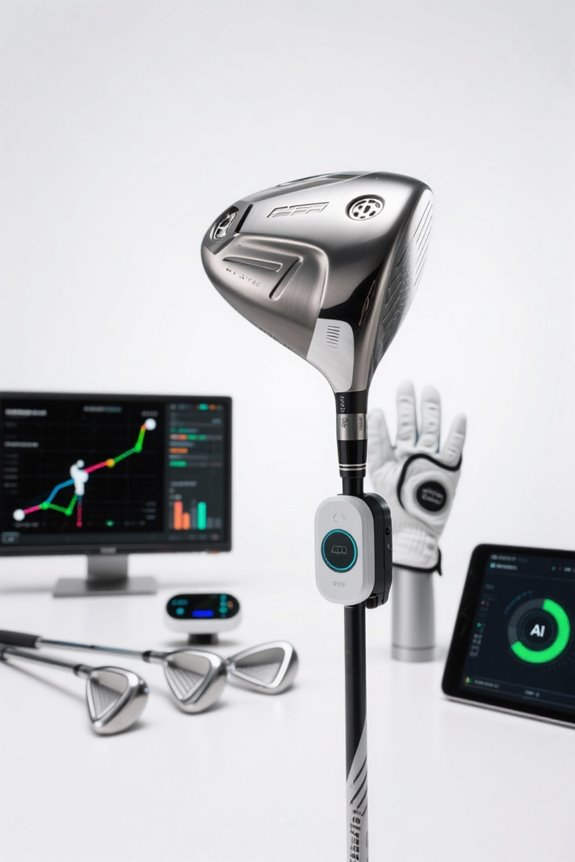
Advanced swing analytics can greatly elevate a golfer’s game. Key metrics include pressure distribution, where 50-60% should be on the lead foot during setup. Technologies like real-time feedback apps and wearable devices track swing tempo and biomechanical movement. The Performance Swing Index quantifies efficiency, while smart golf balls provide spin insights. Targeted practice regimens lead to measurable improvement. With innovations like AI-driven training plans on the horizon, golfers can expect even more tailored guidance to enhance their skills.
Key Takeaways
- Advanced analytics provide tailored insights into swing mechanics, helping players identify and rectify specific flaws for improved performance.
- Real-time feedback through wearable devices and applications enables golfers to make instant corrections to their technique during practice.
- Machine learning algorithms analyze swing patterns, highlighting inefficiencies and guiding personalized training regimens for enhanced skill development.
- 3D motion capture and launch monitors offer precise metrics, allowing players to understand pressure distribution and club path for maximizing shot accuracy.
- Augmented and virtual reality technologies enhance visualization of swing dynamics, enabling a better grasp of complex concepts for effective learning.
Understanding Key Metrics in Golf Swing Analytics
You may be interested


Understanding key metrics in golf swing analytics can greatly enhance a player’s performance on the course. Two critical elements to reflect upon are pressure distribution and club path.
- Pressure Distribution: At the setup, professional golfers distribute 50-60% pressure on their lead foot. This balance is essential for power transfer. During the backswing, pressure shifts to the trail foot, often surpassing 80%, which aids in an effective shift.
- Club Path: This measures the horizontal movement of the clubhead relative to the target at impact. A neutral club path (zero degrees) promotes straight shots. Positive or negative values influence shot shape, contributing to draws or fades. Additionally, employing advanced metrics such as swing and ball flight analysis can provide deeper insights into refining these elements for improved performance.
How Technology Is Revolutionizing Swing Analysis

As technology advances, golfers increasingly rely on innovative tools that enhance swing analysis and overall performance. These cutting-edge tools facilitate swing optimization through real-time feedback and sensor integration. AI-driven applications analyze metrics like swing speed and club angle instantly, ensuring swift adjustments during practice sessions. Wearable devices track crucial statistics, linking parameters such as swing tempo and heart rate with performance data. Additionally, augmented reality aids visual learning, making abstract concepts accessible and engaging. Smart golf balls equipped with multiple sensors provide immediate insights into spin and trajectory, further informing swing adjustments. Collectively, these technologies elevate golfing experiences, fostering a sense of community among players aiming for more informed, personalized improvements in their game. Furthermore, technologies like the SkyTrak launch monitors offer precise data for analyzing swing metrics, enhancing the overall training experience.
The Role of Data in Identifying Swing Flaws

The integration of data analytics into golf swing analysis marks a significant advancement in identifying swing flaws. Data visualization techniques provide clear insights into swing mechanics through the following methods:
- Swing Diagnostics: Machine learning algorithms track club and body movements, diagnosing flaws in real-time.
- Biomechanical Analysis: Key measurement metrics such as club path, attack angle, and impact location reveal inconsistencies that can hinder performance.
- Performance Insights: The Performance Swing Index (SPI) quantifies complex data into a single score, enabling quick identification of inefficiencies.
- Advanced Capture Technologies: Tools like 3D motion capture and radar systems collect high-speed data, illuminating power loss points. Additionally, the use of Doppler radar technology enhances measurement precision in swing performance.
Benefits of Targeted Practice With Analytics

Targeted practice using analytics provides golfers with substantial benefits, enhancing their development and skill retention. By utilizing targeted drills and analytics integration, players can focus on critical areas needing improvement. Key advantages include:
- Precision Training: Analytics identify specific metrics, such as club path and face angle, leading to concentrated practice.
- Data-Driven Feedback: Measurable progress indicators like swing speed eliminate guesswork and foster accountability.
- Improved Distance: Insights into impact data guide technique adjustments for greater distance and ball flight stability.
- Efficient Use of Time: Limited practice sessions target deficits, maximizing training efficiency for quicker gains.
- Skill Retention: Historical comparisons allow golfers to track improvements objectively, reinforcing consistent practices.
Ultimately, analytics empower golfers to practice more intelligently, fostering a strong sense of community through shared experiences. Additionally, utilizing tools like indoor launch monitors can provide detailed metrics that further enhance practice sessions.
Biomechanical Insights for Enhanced Performance

A thorough understanding of biomechanics profoundly elevates golfers’ performance.
- Kinematic Efficiency: Golf swings consist of six phases—setup, backswing, shift, downswing, impact, and follow-through. Seamless shifts between these phases enhance energy transfer, optimizing clubhead speed.
- Joint Sequencing: Accurate joint sequencing guarantees proper timing for effective swing mechanics. For example, force distribution shifts occur from the trail foot to the lead foot, maximizing power delivery.
- Data-Driven Insights: Technologies like 3D motion capture and force plates provide precise measurements. Analyses of 59 joints quantify movements, revealing patterns that can address common faults, such as slice trajectories. Additionally, incorporating devices like the SKLZ Golf Grip Trainer can further enhance grip strength and muscle memory, crucial for refining swing technique.
The Importance of Real-Time Feedback
Real-time feedback plays a pivotal role in refining golf performance. Advanced technologies, including OPTIMOTION and wearable devices, offer real-time accuracy that transforms practice into an immersive experience. Key benefits include:
- Immediate Corrections: Visual overlays help identify swing flaws instantly.
- Live Data Tracking: Wearable devices monitor biomechanics, enabling self-correction on-the-go.
- AI Simulators: Provide instant feedback on swing metrics for targeted improvement.
These tools promote continuous improvement by bridging the gap between perceived technique and measurable mechanics, allowing golfers to refine their skills effectively. By utilizing real-time insights, players can focus on personalized areas for growth, leading to smarter practice habits. This data-driven approach supports all skill levels, ensuring that every golfer feels included in the journey to excellence on the course. Additionally, advanced technologies like 3D Doppler radar enhance the accuracy of data, ensuring golfers receive precise metrics for their performance.
Statistical Trends in Golf Analytics Adoption
As golf continues to evolve, statistical trends indicate a significant increase in the adoption of analytics tools among players at all levels. The global golf swing analysis software market is projected to grow from $150 million in 2026 to $450 million by 2033, with a CAGR of 12%.
- User demographics show both amateurs and professionals are embracing these technologies, especially younger, tech-savvy players.
- The Asia-Pacific region is rapidly growing due to a rising middle class and increasing interest in golf, particularly in China and India.
- Adoption of mobile applications and AI-powered tools enhances accessibility. Additionally, advanced metrics from golf swing trackers provide golfers with critical insights for performance improvement.
The Impact of Personalized Training Plans
How can personalized training plans transform a golfer’s performance? These plans start with a detailed personalized assessment of skills, fitness, and mental readiness. This establishes a solid foundation for improvement.
Key Components:
- Custom Goal Setting: Goals are tailored to individual aspirations, allowing for both short-term and long-term achievements.
- Targeted Practice Regimens: Focus areas such as swing mechanics and mental conditioning are highlighted for efficient development.
- Real-Time Feedback: Data-driven insights guarantee that training is continuously optimized based on progress. Incorporating precision alignment features can further enhance practice accuracy and improve stroke consistency.
Studies show that personalized approaches enhance adherence rates; 91% of older golfers report high session attendance. By aligning training with preferences, golfers feel a stronger sense of belonging in their journey towards improvement.
Future Innovations in Golf Swing Analytics
What groundbreaking advancements await golfers in swing analytics? The future is ripe with innovations that promise to refine every swing.
- Sensor Advancements: Smart clubs and balls equipped with advanced sensors will track metrics like swing speed and impact location, delivering detailed post-swing analysis.
- Predictive Modeling: AI-driven algorithms will analyze a golfer’s performance, personalizing feedback and training plans based on real-time data, optimizing learning.
- AR and VR Integration: These technologies will allow players to visualize course layouts and shot trajectories, enhancing on-course decision-making.
- Data Analytics: Machine learning will identify patterns in swing mechanics, improving performance by addressing specific inefficiencies. Moreover, the integration of advanced tracking technology from devices like the Rapsodo MLM2PRO will provide golfers with unparalleled insights into their swing performance.
Through these advancements, golfers can anticipate a more personalized and data-driven approach to improving their game.
Frequently Asked Questions
How Much Does a Good Golf Launch Monitor Cost?
“Good things come to those who wait.” Budget options for launch monitors range from $400 to $1,000, often providing essential features; more advanced models start around $2,000, appealing to enthusiasts seeking detailed swing analytics and performance improvement.
Can Beginners Benefit From Advanced Swing Analytics?
Beginners can greatly benefit from advanced swing analytics, as beginner analysis fosters swing improvement. These tools provide immediate feedback, personalized drills, and a sense of community, encouraging new golfers to engage and develop their skills effectively.
What Common Mistakes Do Golfers Make When Analyzing Their Swing?
Golfers often misinterpret swing misalignment, believing simple fixes suffice. Yet, flawed data interpretation leads to ignoring deeper issues, perpetuating inconsistent performances. They endeavor for improvement, yet overlook essential aspects that hinder their progress.
How Often Should I Analyze My Swing Data?
Swing evaluation frequency should align with training goals and skill levels, ensuring data tracking consistency. Beginners may require more frequent analysis, while advanced players benefit from less regular, thorough evaluations to refine their performance effectively.
Are There Specific Drills Based on Swing Analytics Recommendations?
Yes, specific drills based on analytics feedback often involve targeted adjustments. These drills focus on enhancing grip consistency, optimizing body rotation, and correcting sequencing issues, ensuring golfers progressively improve their swing mechanics and overall performance.