As an Amazon Associate, we earn from qualifying purchases. Some links on this site are affiliate links at no extra cost to you. Our recommendations are based on thorough research and editorial judgment.

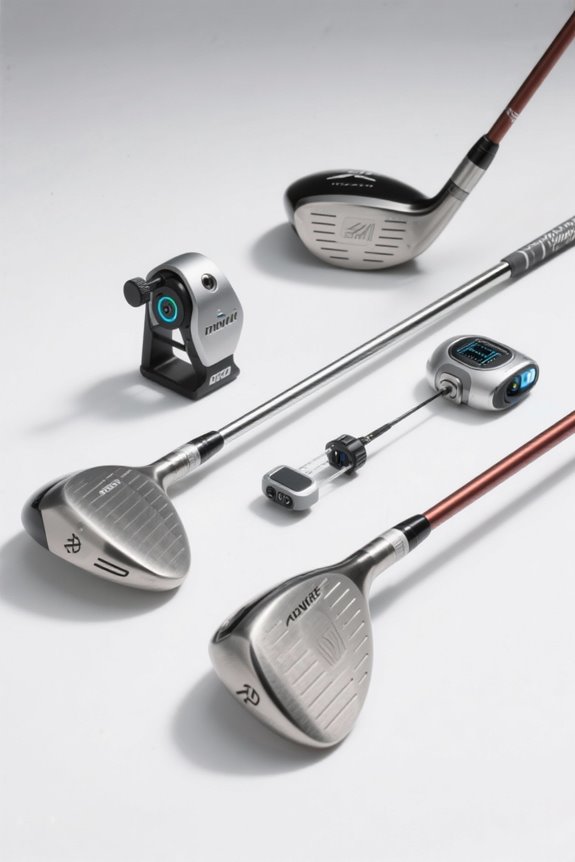
Common Swing Faults Revealed Through Analytics Data

Common swing faults revealed through analytics data greatly impact performance. Key issues include:
- Weak Lead Hand Grip: Poor grip stability affects swing efficiency.
- Grip Pressure Issues: Excessive tension reduces clubhead speed, while too loose promotes instability.
- Early Extension: Affects 70% of amateurs, disrupting spine angle.
- Reverse Spine Angle: Seen in 54% of golfers, leading to lower body inefficiency.
You may be interested


Addressing these faults can enhance accuracy and power. Learning more about corrective techniques is essential for improvement.
Key Takeaways
- Weak lead hand grip often results in reduced stability, indicated by fewer knuckles visible and improper ‘V’ alignment of thumb and forefinger.
- Grip pressure issues can lead to erratic shots; excessive pressure reduces clubhead speed, while a loose grip destabilizes the clubface at impact.
- Cupped or bowed lead wrist positions can cause open clubfaces, negatively affecting alignment and increasing the likelihood of slices.
- Early extension during the downswing compromises spine angle and increases tendencies for inconsistent striking and ball trajectory errors.
- Reverse spine angle affects swing paths and power, often observable through a backward bending torso and upper body lean toward the target.
Weak Lead Hand Grip
A weak lead hand grip is a common fault among amateur golfers that can considerably impair swing performance. This issue often stems from insufficient lead hand strength, which impacts grip stability. When the lead hand is rotated too far left, the clubface stays open, leading to slices or pushes that can hinder performance.
Key identifiers of a weak lead hand grip include:
- Fewer lead hand knuckles visible
- The ‘V’ between thumb and forefinger pointing towards the chin
To correct this, golfers should utilize grip adjustment techniques. Strengthening the lead hand through targeted exercises can enhance control and help maintain a more favorable grip position. Additionally, using golf wrist trainers can significantly aid in developing muscle memory for a more consistent swing. By addressing these factors, players can improve their swing dynamics and overall accuracy.
Recommended Products

ONE OF THE FEW “3 IN 1” TRAINING AIDS ON THE MARKET - The patented carbon fiber finished wrist cradle and the connection sphere can both be used on their own or together to assist in building a pro level swing. The wrist cradle is set to approximately 51 degrees of trail wrist extension which is the average to create a neutral wrist condition at the top of the backswing. The versatile ProSENDR will assist you in building a pro level golf swing

DEVELOPED BY GEORGE GANKAS - Developed with insights from world-renowned golf coach George Gankas, the G-Snap Golf Training Aid is designed to enhance your swing plane, wrist control, and follow-through. This innovative golf swing trainer helps golfers of all levels develop muscle memory for a smoother, more powerful swing.
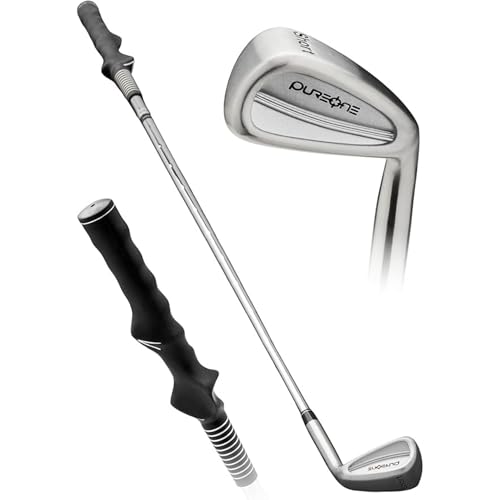
Train the Perfect Grip Every Time – Designed to mold your hands into the ideal golf grip position. Say goodbye to bad habits and start building consistent muscle memory.
Grip Pressure Issues

Mastery of grip pressure is essential for achieving an effective golf swing. Golfers often struggle with pressure modulation, leading to inconsistent performance.
- Excessive Grip Pressure: A grip rated above 7-8 on a scale of 1-10 can restrict wrist mechanics, reducing clubhead speed and causing swing faults like slicing. This can drop average drive distance by 20-25 yards.
- Too Loose Grip Pressure: Conversely, a grip that is too loose causes clubface instability at impact, resulting in erratic shots and reduced control over clubhead speed.
- Optimal Grip Levels: Professionals maintain firm grip pressure at address, peak it at the top of the backswing, and minimize it during the shift, enhancing energy transfer.
Understanding grip pressure dynamics can lead to enhanced shot accuracy and overall performance. Additionally, using golf training clubs can help golfers develop better grip and stance, leading to improved swing mechanics.
Recommended Products

All-Weather Ascender | An approach shoe designed to high through wet or dry weather in search of sport climbing crags.

THIS MEN'S SHOE IS FOR: The Glycerin GTS 21 is for runners who think there is no such thing as too much cushioning but seek additional support from our trusted GuideRails holistic support system. This Brooks Glycerin GTS 21 has been granted the APMA Seal of Acceptance. Predecessor: Brooks Glycerin GTS 20.

EXCEPTIONAL STABILITY - A perimeter weighted outsole allows for extreme stability and added lightweight comfort.
Cupped or Bowed Lead Wrist

Cupped or bowed lead wrist positions play an essential role in a golfer’s swing mechanics and overall shot accuracy.
- A cupped lead wrist occurs when the back of the hand arches upward, leading to an open clubface at the top of the backswing.
- This position affects wrist alignment, causing the club to deviate from the ideal swing plane.
- Golfers with a cupped wrist often experience difficulty squaring the clubface at impact, resulting in slices and decreased power.
To correct this issue, players should focus on:
- Maintaining proper grip pressure.
- Allowing natural wrist movement during the backswing.
- Engaging the upper body correctly to guarantee better wrist alignment.
Implementing these strategies fosters a more effective swing, improving shot accuracy and consistency. Additionally, utilizing a swing plane board can provide instant feedback on wrist position, helping players make necessary adjustments in real-time.
Recommended Products

Hit the golf ball further, straighter and more consistently

REVOLUTIONARY SWING PLANE TRAINER: Features the exclusive Power Bar that teaches you the perfect swing plane for striking the golf ball while helping eliminate slicing
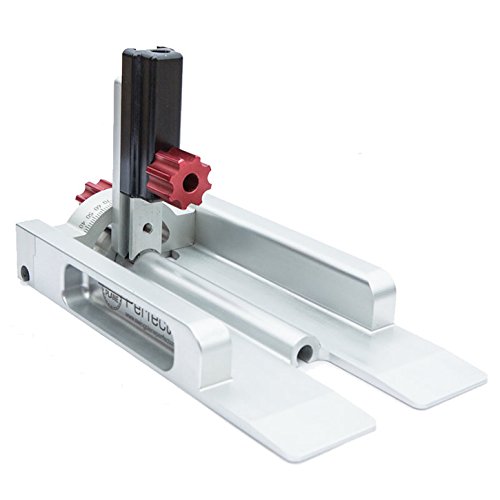
One of the hardest concepts for golfers who are trying to improve and those who are social golfers to understand, is the concept of precision and immediate feedback in the small amount of time that they have to practice.
Early Extension in Downswing

How does early extension impact a golfer’s performance and consistency? Early extension is a common swing fault affecting approximately 70% of amateur golfers. This fault occurs when the hips move forward during the downswing, disrupting spine angle and reducing power. The following early extension causes contribute to this issue:
- Lack of proper body rotation
- Limited flexibility in hips and spine
- Improper weight transfer
These factors lead to inconsistent ball striking, resulting in tops, blocks, and hooks. To address early extension, golfers can practice early extension drills that focus on improving body rotation and mobility. Engaging in targeted exercises helps maintain posture, enhances shot predictability, and ultimately leads to improved performance on the course. Additionally, incorporating core strengthening exercises can significantly aid in mitigating early extension. By recognizing and correcting early extension, golfers can achieve greater consistency.
Recommended Products

Acrylic Material: Not only does the clear acrylic design not make your baby feel like he or she is in prison,it also gives you a clearer view of the scene on the other side of the clear baby gate.Clear acrylic gate blend seamlessly with your home design and enhance the beauty of your room

Flexible Tilt Range: Experience the versatility of a 0-45° tilt range with this Benchtop Drill Press. Easily drill angled holes or work vertically with precision.

Portable Multi-Angle Drill Stand equipped with an adjustable angle scale, ranging from -60° to +60° for precise angle drilling.
Reverse Spine Angle

The challenges of swing faults in golf extend beyond early extension, with Reverse Spine Angle (RSA) being another significant concern for many golfers. RSA occurs when the upper body excessively leans toward the target during the backswing, disrupting spine alignment. Key identifiers include:
- An observable tilt from the hips to the head toward the target.
- Excessive backward bend in the upper torso.
- A visible “bump” in hip position.
RSA limits the lower body’s role, forcing the upper body to dominate swings, which leads to inconsistent paths and reduced power. Additionally, up to 54% of golfers experience lower back pain due to RSA. Early detection and adjustment are essential for enhancing swing mechanics and preventing injuries, ensuring a healthier golfing experience. Using a golf swing analyzer can provide valuable insights into your swing mechanics and help identify Reverse Spine Angle effectively.
Back Sway During Backswing
While many golfers endeavor for a perfect swing, back sway during the backswing is a common fault that can greatly impact performance.
- Back Sway Measurement:
- Elite golfers sway hips just over 1 inch from the target.
- Average Tour pros typically sway less than 1 inch beyond elite measurements.
- Excessive sway disrupts swing sequencing, ideally keeping sway under 3 inches for better launch angles.
- Controlled Sway Benefits:
- Enables hip loading for energy storage before the downswing.
- Limited sway maintains connection between the trail knee and hand, fostering stability.
To enhance performance, golfers should focus on drills that promote hip turn and stabilize the trail knee, ensuring controlled sway throughout the backswing and leading to consistent, accurate strikes. Additionally, understanding the importance of angle range compensation can help golfers improve their overall performance by adapting to changes in terrain during their swing.
Over-the-Top Swing Path
When examining swing faults, the over-the-top swing path stands out for its potential to disrupt overall performance. This outside-in downswing path leads to common issues like slices or pulls. Key factors include:
- Lead Wrist Extension: Excess extension often initiates an OTT move, affecting clubface alignment.
- Body Positioning: Poor rotation can cause the arms to dominate the downswing.
- Energy Transfer: An inefficient swing reduces shot consistency and distance.
Correcting the OTT path often requires focused training. Implementation of swing plane adjustments and transition drills helps realign motion patterns. Drills, like the motorcycle drill, can reinforce the proper wrist position, while body rotation exercises enhance sequencing. Utilizing video feedback enables players to fine-tune adjustments effectively, leading to improved performance on the course. Additionally, incorporating a swing path trainer can provide real-time feedback, further assisting in correcting this common swing fault.
Steep Swing Path and Late Wrist Hinge
Moving from the over-the-top swing path, the steep swing path and late wrist hinge present a different set of challenges for golfers.
Characteristics and Impacts:
- Steep Swing Path: Vertical movement leads to outside-in swings, increasing the risk of slicing and inconsistent strikes.
- Ball Flight: Higher trajectory with increased spin; however, shots may lose distance.
- Late Wrist Hinge: Delaying wrist cock until the downswing exacerbates steepness, impairing wrist control and shot quality.
Swing Analysis Insights:
- Data shows that steep swings often feature a negative impact on distance and accuracy.
- Proper wrist hinge should initiate early in the backswing, allowing smoother shifts. Incorporating swing plane trainers can aid in correcting these faults effectively.
Understanding these faults can help golfers enhance their performance, overcome limitations, and achieve greater consistency in their game.
Lack of Proper Weight Shift
A proper weight shift is vital for achieving a powerful and balanced golf swing. An effective transfer from the back foot to the front foot during the downswing enhances club speed and energy transfer. Key insights include:
- Ideal weight distribution adhered to pro standards is fundamental.
- Pressure mapping reveals how foot pressure changes throughout the swing.
- Insufficient weight shift often leads to reduced power, causing slices or hooks.
- Proper timing in weight transfer prevents disruptions in trunk and hip rotation.
- Individualized analysis can target swing faults and improve overall performance.
Using tools like pressure mats allows golfers to visualize their dynamic weight shift, enabling tailored coaching strategies. By focusing on these mechanics, golfers can enhance their performance and minimize common faults. Additionally, incorporating training aids can provide immediate feedback on swing performance and help reinforce proper techniques.
Recommended Products
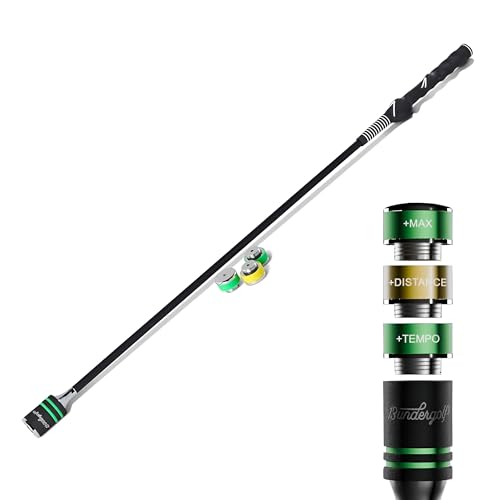
VERSATILE TRAINING: Innovative all-in-one golf swing trainer designed to improve tempo, lag, distance, and grip through adjustable weight options for both beginners and experienced players.
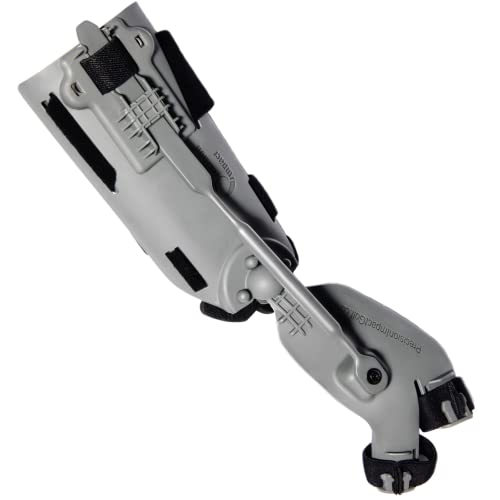
PURE SWING PRODUCTS PRESENTS: Precision Impact - The secret to Tour-Level ball compression for Right Handed Golfers.

⛳【2026 New Function Upgrade】 Our golf mat has set up white grass lines in the rough turf and fairway turf, which can effectively assist the practice of alignment and the hitting angle of approach, help to practice the rotational axis of hitting, and keep the body balance to protect the joints.
Lower Body Sway
Lower body sway represents a common fault that can undermine a golfer’s performance. This issue often stems from weak core stability and overactive lower body motion, leading to side-to-side hip movement rather than proper rotation. To combat this:
- Sway Mitigation Techniques:
- Focus on core strengthening to enhance trunk stability.
- Implement targeted exercises for ankle pronation to maintain weight on the inside of the trail foot.
- Body Alignment Adjustments:
- Guarantee hips rotate around the spine axis to avoid lateral sliding.
- Correct wrist mechanics are crucial; excessive extension can prompt compensatory sway.
Analytics reveal that reducing sway enhances clubhead speed and improves strike consistency. By addressing these factors, golfers can achieve a more effective swing. Additionally, incorporating heavy-duty golf nets can provide a safe practice environment to focus on correcting swing faults without the risk of damaging surroundings.
Sequencing and Timing Problems
Timing and sequencing play crucial roles in achieving an effective golf swing, where precision can enhance overall performance. Golfers often experience timing discrepancies that disrupt kinematic sequencing, leading to inefficient energy transfer. For instance:
- Inefficient Energy Transfer: Poor timing of hip, chest, and arm movements can reduce power, sometimes resulting in clubhead speed dropping to 80% of a professional golfer’s potential.
- Variable Downswing Durations: Skilled golfers maintain a downswing of 0.28 to 0.31 seconds, while recreational players often have less consistency.
- Rushed Swings: An irregular tempo creates off-center strikes and reduced accuracy.
Understanding and correcting these sequencing issues can greatly improve overall performance and guarantee that golfers achieve their maximum potential on the course.
Physical Limitations and Injuries
Physical limitations and injuries represent significant challenges for golfers, impacting performance and participation. The following insights highlight common injury types and prevention strategies:
- Injury Types: Golfers often face back pain, shoulder strains, and wrist injuries. These can stem from poor swing mechanics or overuse.
- Prevention Strategies: Implementing a strength training regimen helps improve muscle support. Flexibility exercises enhance range of motion, decreasing injury risk. Additionally, mindful practice schedules allow for adequate rest and recovery.
Golf analytics can reveal mechanics that lead to overuse, enabling golfers to adjust their training. Understanding one’s physical limitations connects golfers with relevant support resources, fostering a community that prioritizes well-being and longevity in the sport. By addressing these factors, golfers can enhance their overall experience and performance.
Frequently Asked Questions
How Can Analytics Help Identify Swing Faults?
Analytics enhance swing analysis by employing data interpretation to detect faults. By capturing precise motion details, they reveal subtle swing errors, allowing golfers to refine techniques and improve performance, fostering a sense of belonging to a supportive community.
What Role Does Grip Type Play in Swing Performance?
Grip type considerably influences swing performance by affecting grip mechanics and grip pressure. Just as a well-tuned instrument produces harmonious music, the right grip enhances control and consistency, fostering connection among golfers aiming for improvement.
Can Swing Faults Be Fixed Without Physical Training?
Swing faults cannot be fully fixed without physical training. While swing mechanics analysis and virtual coaching provide valuable insights, effective correction requires practice to develop muscle memory and reinforce new techniques essential for long-term improvement.
How Do Temperature and Weather Affect Swing Accuracy?
Temperature sensitivity and weather fluctuations greatly impact swing accuracy, as changes in air density influence ball flight. Golfers must adapt their techniques and strategies to maintain performance amidst varying conditions while ensuring consistent swings and reliable results.
What Equipment Can Enhance Swing Analytics Assessment?
Innovative swing sensors and advanced data visualization tools subtly enhance a golfer’s ability to refine their swing. With insightful analytics, they create a shared journey toward mastery, fostering a deeper connection within the golfing community.