As an Amazon Associate, we earn from qualifying purchases. Some links on this site are affiliate links at no extra cost to you. Our recommendations are based on thorough research and editorial judgment.


Are There Safety Considerations For Home Golf Setups?

Safety considerations for home golf setups are essential for injury prevention. Key factors include:
- Space Requirements: Minimum 10 feet high and 14 feet wide for swings.
- Flooring: Use durable turf and flat surfaces to enhance stability.
- Equipment: Secure installations to reduce the risk of accidents.
- Player Behavior: Establish clear hitting areas and encourage communication among players.
You may be interested


By implementing these measures, homeowners can create a safer environment. More insights will follow on optimizing your golf setup.
Key Takeaways
- Ensure adequate space with a minimum ceiling height of 8.5 feet and 10 feet width for safe swings.
- Use durable turf and padding to reduce joint strain and enhance safety during practice.
- Securely mount equipment and periodically inspect for wear to prevent accidents.
- Establish clear hitting areas and enforce single-player practice to avoid collisions.
- Equip the area with protective gear, like safety netting and eyewear, to minimize injury risks.
Space and Swing Clearance Requirements
When considering a home golf setup, ensuring adequate space and swing clearance is essential for a safe and effective golfing experience. Ideal ceiling height typically ranges from 9 to 10 feet, allowing uninhibited swings. A minimum of 8.5 feet might suffice for short golfers or iron use, but it risks swing mechanics and comfort, particularly if ceilings dip below 9 feet. Additionally, lateral space is important; a width of at least 10 feet is recommended to accommodate both right- and left-handed swings. For maximum freedom, a room width of 14 feet enables a full shoulder turn. By prioritizing these spatial elements, golfers minimize the risk of accidents and enhance their overall indoor golfing experience. Furthermore, selecting a net with impact absorption features can significantly reduce the likelihood of damage or injury caused by stray shots.
Flooring and Surface Safety

Creating a safe indoor golfing environment goes beyond securing adequate swing space; it also necessitates careful consideration of flooring and surface safety.
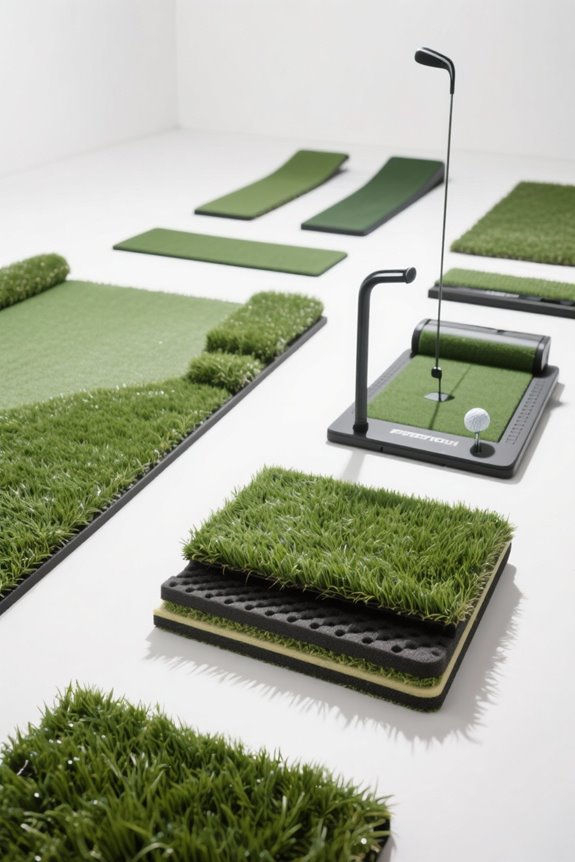
- Turf Selection: Opt for durable nylon or softer polyethylene turf to enhance resilience and reduce joint stress.
- Moisture Management: Employ turf with drainage systems to prevent mold and improve hygiene; regular cleaning guarantees traction.
- Shock Absorption: Incorporating foam padding beneath the turf minimizes fatigue and protects joints during extended sessions.
- Surface Level: Ascertain a flat flooring surface to maintain balance and stability during swings. Additionally, utilizing mats with high-quality materials can help resist wear and tear, ensuring a longer-lasting practice area.
Recommended Products
![VANCL 24 x 72 Gym Mats - 6' Wall Pads for Gymnastics - 2x6 Wall Pads (72''x24''x2'') [10 Pack]](https://m.media-amazon.com/images/I/41MAvbwxK8L._SL500_.jpg)
🍀【Package Included】 Comes with 1 x basketball gym wall pad and 6 x Velcro. Each basketball gym wall padding is 72"x 24"x 2", 1 piece gym wall padding total 12 sq ft (10 pack).
🍀【Package Included】 Comes with 10 x wall mats for gym pad and 40 x Velcro. Each basketball pad gym wall mat is 60"x 20"x 2", 10 pieces gym wall padding total 83.33 sq ft(10 pieces).

The Golf Hitting Mat Built for Real-World Performance: After testing countless golf mats, we realized that golfers deserve better. That’s why we created the SIGPRO Golf Mat. This indoor golf training mat delivers the real feel of a fairway with proprietary Teeline turf layered over ABS Polyurethane Flex, engineered to mimic real grass. Every swing provides realistic feedback on clean shots while remaining forgiving on fat shots and mishits, offering consistent, course-accurate practice indoors.
Equipment Installation and Stability

Effective equipment installation and stability are essential for a safe indoor golf setup. Proper mounting stability confirms that equipment remains securely in place during play, minimizing the risk of injury or equipment failure.
- Secure all mounting hardware using fasteners rated for load and impact resistance.
- Follow manufacturer guidelines for equipment alignment, especially with launch monitors and projectors.
- Position equipment to minimize vibration and confirm accurate tracking.
- Align impact screens parallel to the player’s stance with adequate tension to prevent slack.
Regular inspections of mounts and structural supports help identify any signs of wear. Additionally, incorporating effective tools such as putting stroke analyzers can enhance practice routines while ensuring safety. With thoughtful installation practices, enthusiasts can create a golf space that combines both enjoyment and safety, enhancing the collective experience for all who play.
Recommended Products

INSTALL WITH CONFIDENCE: Formerly ClipperCreek, the core technology that comes inside every Enphase EV charger has earned its award-winning reputation by delivering industry-leading durability and reliability. Now they're made even better with a 5-year limited manufacturer warranty and 24/7 customer support. This HCS-40 comes fully assembled and offers quick installation via a 12 inch 240V input plug with any NEMA 14-50R outlet on a minimum 40 Amp dedicated circuit.

Built to Last – Transform your home’s exterior with Renovators Supply’s black wrought iron removable shutter hinges. Designed for strength and style, each hinge features a durable, rust-resistant matte black powder-coated finish, making them perfect for both indoor and outdoor use.

GENUINE WOOD-WRAPPED ALUMINUM HANDRAILS - Made for indoor use only, this TrueWood genuine wood-wrapped aluminum core handrail combines the timeless beauty of real Oak or Walnut with maintenance-free engineering. Elegant flush endcaps deliver a clean, modern aesthetic for residential interiors—stairs, hallways, entryways.
Player Behavior and Safety Protocols

Player behavior and adherence to safety protocols are crucial elements in guaranteeing a secure indoor golf environment. Establishing clear hitting areas and enforcing single-player presence are essential for swing awareness. This reduces collision risks considerably, as studies show that 80% of golf injuries occur during swing practice.
Behavioral safety protocols include:
- Avoid swinging clubs outside designated areas.
- Communicate intentions to avoid close contacts.
- Confirm players maintain a safe distance, particularly in confined spaces.
Strict adherence to these rules promotes a sense of community and shared responsibility. Players must immediately report incidents and follow emergency procedures to cultivate a culture of safety. By fostering player communication, everyone can participate in maintaining a safe and enjoyable golfing experience. Additionally, understanding basic swing mechanics can help prevent accidents and enhance practice effectiveness.
Safety Materials and Protective Gear

When setting up a home golf practice area, the selection of safety materials and protective gear plays a crucial role in ensuring a secure environment. Key components include:
- Protective Eyewear: While not mandatory, they can shield players from ricochets in confined spaces, enhancing safety during practice.
- Proper Footwear: Wearing appropriate golf shoes indoors improves stability and traction, thereby reducing slips and falls when swinging.
- Hitting Mats: High-quality mats absorb impact, reducing joint strain and providing a comfortable surface for repeated swings.
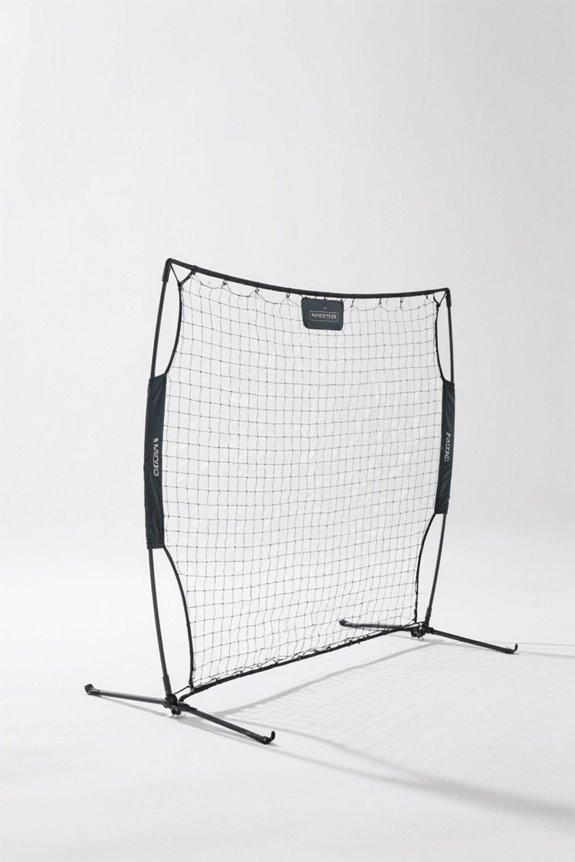
- Enclosures and Netting: Installing safety netting protects walls from errant balls and minimizes risks of accidents, ensuring a secure space for practice. Additionally, using heavy-duty materials for netting can enhance durability and effectiveness against high-impact shots.
Recommended Products
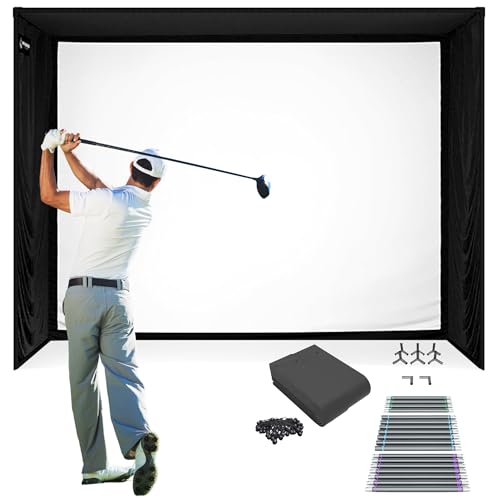
Everything You Need in One Golf Simulator Kit: Enjoy a complete, professional setup right out of the box! The SIG12 Golf Simulator Enclosure includes a durable frame, precision fittings, and our SIGPRO Premium Impact Screen, all engineered for stability, longevity, and a true fairway feel. It can also be integrated seamlessly into optional add-ons like the SIG12 Simulator Flooring and other golf simulator accessories, letting you expand your setup for a clean, studio-quality finish.

BUNDLE INCLUDES: Garmin Approach R10 Golf Simulator, The Net Return Pro 8' Wide x 7'6" Tall Golf Net, The Net Return Side Barriers for Golf Net, and The Net Return duffle bag

COMMERCIAL GRADE HEAVY DUTY IMPACT SCREEN: Built to withstand high speed golf ball impacts for lasting durability; Multi layer design reduces rebound and provides a smooth projection surface for all major launch monitors
Environmental and Comfort Considerations
Creating a comfortable and environmentally friendly home golf setup is essential for enhancing the overall experience and performance of players. Key considerations include:
- Lighting Conditions: Consistent, non-reflective lighting reduces glare and eye strain. Place lights to minimize shadows on hitting areas and screens.
- Air Quality: Utilize air purifiers to eliminate harmful particles and freshen the air. Proper ventilation prevents stale odors, ensuring comfort during long sessions.
- Temperature Control: Stable indoor temperatures, aided by HVAC systems, maintain user comfort and prevent hardware damage. Additionally, choosing materials that enhance moisture resistance can improve the longevity of your golf equipment.
Designing a Safe Golf Area
Designing a safe golf area is essential for preventing injuries and damage in a home setup. Key considerations include:
- Space Planning: Allocate at least 12 feet by 12 feet for unrestricted swings, ensuring a minimum ceiling height of 10 feet to accommodate full swings.
- Protective Barriers: Install impact screens and padding around the simulation area to absorb ricochets. Use safety netting to capture stray balls.
- Flooring Safety: Select non-slip flooring materials to prevent falls and increase user comfort.
- Lighting Options: Incorporate adjustable lighting to enhance visibility without creating distractions.
- Design Aesthetics: Blend safety features with personal decor to create an inviting space. Additionally, ensure that the impact screens used are made of high-density woven polyester to withstand swings over 200 mph and minimize ball rebound.
Together, these elements foster a secure environment for enjoyable golfing experiences at home.
Recommended Products
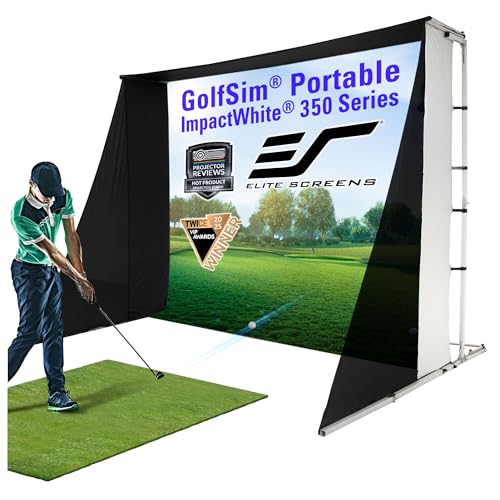
Dimensions: 128-inch golf simulator impact screen, 10 ft wide x 8 ft high turning your space into a professional indoor/ outdoor golf studio. Viewing Size: 62.8" H x 111.6" W, Overall Assembled Size: 98.4" H x 119.5" W.

VARIOUS SIZES - Choose from a wide range of sizes tailored to your specific needs, ensuring a perfect fit for backstops, batting cages, and facility protection.

Immersive Golf Simulation Experience : Step into a realistic golfing world with the 2.95x2.25m high-quality white projection screen, designed to pair seamlessly with golf simulators for crystal-clear course visuals. This golf tent is suitable for most simulators (not included).
Regular Maintenance and Inspections
Regular maintenance and inspections are essential for guaranteeing the longevity and performance of home golf setups. Implementing effective preventative maintenance can markedly enhance the user experience. Key aspects include:
- Sensor and Hardware Cleaning: Regularly clean optical tracking sensors and projector vents using appropriate tools to prevent malfunction.
- Calibration and Software Updates: Frequent recalibration guarantees accurate data and smooth gameplay; keep software up to date to fix bugs and improve features.
- Screen and Impact Surface Maintenance: Maintain screen tension and inspect grommets to avoid damage.
- Equipment Wear Monitoring: Check mats for wear and replace components as needed.
Conducting monthly inspections fosters a safe and enjoyable environment. Additionally, using high-quality hitting mats can further enhance practice sessions and equipment longevity. With proper care, users can improve equipment longevity and minimize future repairs, creating an inviting space for all.
Recommended Products
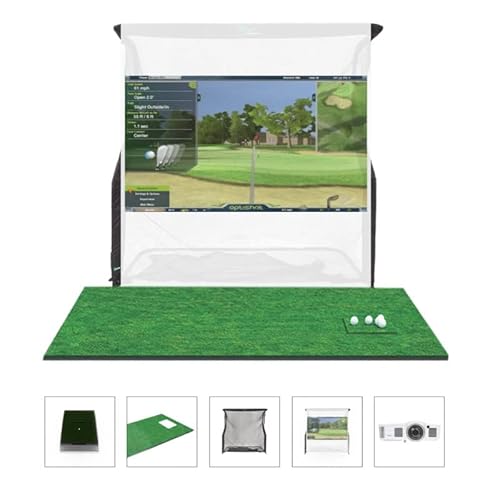
What's Included: Enjoy indoor golf simulation with the included OptiShot2, software, USB cable, adjustable rubber tees, two foam practice golf balls, golf mat, net return, net return simulator screen, short throw HD projector.

SKYTRAK ST MAX Launch Monitor – Delivers tour-level accuracy with dual Doppler radar, photometric cameras, and GOLFTEC Speed Training to help you build speed and distance - plus dual ports so you can charge and play without interruption.

All-In-One Golf Simulator Studio: Comes complete with the SkyTrak ST MAX launch monitor, durable enclosure, impact screen, steel frame, premium 5×5 hitting mat, and ZW350ST short-throw projector — everything to build your indoor golf setup quickly.
Emergency Procedures and Protocols
Establishing effective emergency procedures and protocols is essential for guaranteeing the safety of users in home golf setups. A thorough risk assessment identifies potential emergencies, including:
- Medical emergencies
- Equipment failures
- Fire hazards
- Severe weather events
Written Emergency Action Plans (EAPs) should detail specific actions for every scenario, including communication roles and responsibilities. For instance, someone must call emergency services while others assist the injured.
Designated responders and a clear chain of command streamline decision-making. Regular training sessions and simulations boost preparedness, while accessible emergency contact information enhances response times. Incorporating moisture-wicking fabrics into your home golf attire can also enhance comfort during long practice sessions.
Emergency equipment, like first aid kits, should be easy to find. Regular reviews of these procedures assure that safety measures evolve with changing equipment and user dynamics.
Educating Participants on Safety Measures
A well-informed participant can greatly enhance safety in home golf setups. Educating individuals about safety measures will promote responsible behavior. Key areas of focus include:
- Space Awareness: Guarantee a minimum of 10 feet in height, 15 feet in depth, and 10 feet in width for safe swings. Maintain a clear area free of obstructions.
- Swing Techniques: Proper techniques minimize uncontrolled shots, guaranteeing participant awareness about the surrounding environment.
- Equipment Safety: Secure all simulator components, routinely inspect gear, and adhere to local electrical safety codes to avoid hazards.
- Protective Measures: Use padding on hard surfaces, install safety netting, and keep dangerous items away from the swing area to prevent injuries. Additionally, consider using a golf practice net with heavy steel frame construction to enhance stability and safety during practice.
Frequently Asked Questions
What Are the Legal Liabilities of Home Golf Practice Setups?
Home golf practice setups resemble double-edged swords; they may enhance skills while posing homeowner responsibilities. Legal liabilities encompass injuries, property damage, and negligence claims, making liability waivers essential for safeguarding against potential lawsuits and fostering safe environments.
How Can I Ensure My Club’s Integrity While Practicing at Home?
To guarantee club integrity while practicing at home, one should embrace thorough club maintenance and establish mindful practice routines, including regular cleaning, appropriate storage, and utilizing soft practice balls to extend the life and performance of clubs.
Are There Insurance Considerations for Home Golf Simulators?
In the domain of home golf simulators, ensuring thorough coverage options acts as a protective shield. A diligent risk assessment reveals the necessity of liability and equipment insurance, fostering a secure environment for all participants.
How Can I Childproof My Golf Practice Area Effectively?
To effectively childproof a golf practice area, one should use safety barriers to enclose the space and include age-appropriate golf toys. Ensuring clear boundaries fosters a secure environment where children can enjoy the game safely.
What Materials Are Best for Soundproofing a Golf Setup?
Imagine a concert hall embracing sound; similarly, high-density acoustic panels and sound barriers transform a golf setup. This combination effectively controls noise, fostering an inviting atmosphere that resonates comfort and community among enthusiasts in their practice space.