As an Amazon Associate, we earn from qualifying purchases. Some links on this site are affiliate links at no extra cost to you. Our recommendations are based on thorough research and editorial judgment.


How To Choose The Right Golf Net Size For Your Backyard?

Choosing the right golf net size for a backyard requires careful consideration of dimensions and safety features. Prioritize a net width of at least 3 meters and a height between 7 to 9 feet to contain errant shots. Depth should be 3.5 to 4 feet for impact absorption, with a total depth of around 18 feet to accommodate full swings comfortably. Understanding these guidelines will enhance safety and practice effectiveness. Additional insights are available on installation and maintenance.
Key Takeaways
- Measure the available space to ensure you have enough room for an optimal net size; aim for at least 18 feet of depth.
- Choose a net width of at least 3 meters for safety, especially if you plan to practice full swings.
- Select a net height of at least 7 feet to minimize the risk of golf balls escaping during practice.
- Opt for durable materials like polyester or nylon to ensure longevity and withstand various weather conditions.
- Consider your budget while balancing size and quality, as larger and stronger nets provide better safety and efficiency.
Understanding Ideal Golf Net Dimensions
You may be interested


– Net Depth: Common depths range from 3.5 to 4 feet. This is essential to absorb impact, reducing bounce-outs and keeping balls contained. Shallower nets save space but compromise safety.
Choosing appropriate dimensions can enhance practice efficiency. Users with larger spaces should opt for nets with sufficient height and depth to improve confidence and swing quality. This balance promotes a safer, more enjoyable golfing experience. Additionally, selecting nets made from heavy-duty materials can ensure longevity and withstand the impact of repeated use.
Factors Influencing Net Width

Selecting the appropriate width for a golf net involves considering multiple factors that can greatly impact the practice experience.
- Available Space Constraints: Measure your yard’s width to guarantee the net fits comfortably. A wider net provides clearance for swings and captures stray balls, while narrow spaces limit options.
- Swing Type and Practice Goals: User preferences influence net choice; wider nets (over 4 meters) cater to full swings, while 3-meter nets suffice for short-game practice.
- Safety Concerns: Wider nets minimize risks of missed shots escaping, safeguarding the safety of surrounding areas.
- Material and Durability: Larger widths necessitate more robust material to maintain integrity against repeated impacts.
- Impact Resistance: Prioritize nets with high-impact durability to ensure they withstand the rigors of frequent practice sessions.
Proper consideration of these factors enhances practice efficiency while fostering a safe, enjoyable environment.
Recommended Products

INDOOR & OUTDOOR - An excellent choice for cricket clubs & home use, the matting is suitable for practice or matches in indoor & outdoor settings. The cricket mat guarantees a high-performance level with all types of cricket balls.

GOLF TRAINING: Train on fresh, natural-looking, and soft feeling artificial grass carpet all year long. Consistent surface friction, cushion, and feel in our luxurious lifelike emerald and lime green fairway will enhance your long and short game, improving your overall golf skills.

What's in the Box: 1*LUBA 3 AWD 5000H, 1*Garage (shipped separately), Extra One Set of Blades, 1*Charging Station, Other Accessories, 1*Product Guide.
Importance of Net Height for Safety

When considering a golf net, height plays a crucial role in maintaining safety during practice.
- Higher net heights greatly reduce the risk of golf balls escaping and causing injury or property damage.
- Proper height accounts for various ball trajectories, including loft shots and errant strikes, ensuring containment.
- Insufficient height increases safety risks, making it essential to assess proximity to the hitting area.
For recreational use, nets typically range from 7 to 9 feet tall. More serious golfers should opt for nets at least 9 feet high to enhance safety. Investing in taller nets, despite space constraints, proves essential for effective safety measures. With appropriate net height, users can enjoy practice sessions without fear of unintended accidents. Additionally, products designed with durable materials are crucial for maintaining the net’s integrity during high-impact use.
Recommended Products
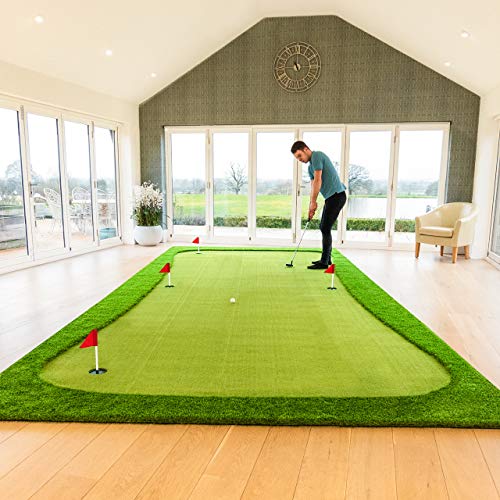
PRO GOLF PUTTING MAT – Experience the ultimate piece of indoor golf training equipment with FORB Professional Golf Putting Mat. This mat simulates the rough grass found on golf greens and replicates the top-level golf courses. It's the perfect golf equipment to help you practice your putting skills accurately.
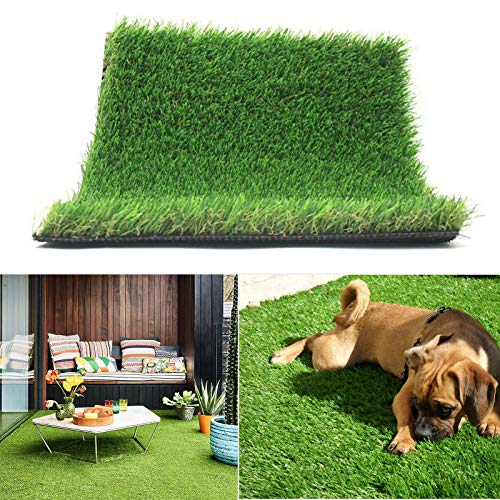
THICK & REALISTIC ARTIFICAL GRASS RUG: Grass height about 1.38inch in length, 70 oz total weight per square yard, high-density artificial grass. With 4-tone color, soft and lush and the thatch looks & feels like real natural grass. Providing you with year round green and turf enjoyment, perfect for all indoor and outdoor projects
![FORTRESS Mobile Baseball Batting Cage [24ft or 36ft] | Portable Wheel-Based Baseball Practice Net | Baseball Training Equipment | Baseball Net for Hitting and Pitching (24ft, Without Padding)](https://m.media-amazon.com/images/I/51e4rqt-ILL._SL500_.jpg)
PORTABLE BATTING CAGE – The FORTRESS Mobile Baseball Batting Cage features heavy-duty anti-tamper wheels for simple portability across any playing surfaces. Baseball hitting net comes with 6x wheels for the 24ft batting cage and 8x wheels for the 36ft hitting nets for baseball.
Depth Requirements for Full Swings

Depth is a crucial factor when setting up a golf net for practicing full swings. To guarantee ideal swing freedom, a minimum of 7 feet behind the tee is essential; this allows for unobstructed backswings. An ideal total depth of about 18 feet accommodates both swing and ball flight space, especially for simulator setups. Key points to take into account include:
- Depth should prevent club contact with framework, particularly for drivers.
- Aim for at least 5 to 7 feet in the immediate swing area to uphold safety.
- Additional buffer zones can capture off-center shots, lessening the risk of missed hits or structural damage. A well-chosen net size ensures durability and impact resistance, allowing for effective practice without compromising safety.
Recommended Products
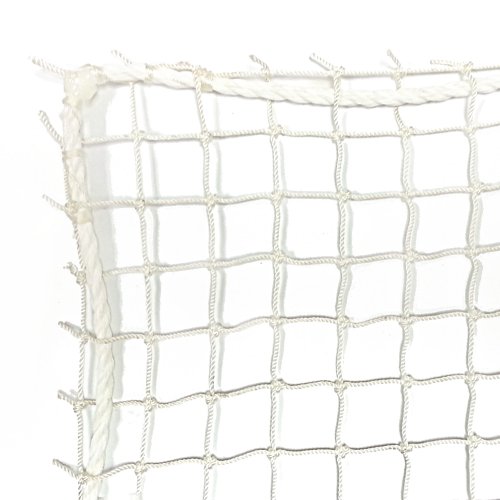
#18 Twisted Knotted Nylon

PROFESSIONAL-GRADE, BEST-SELLING GOLF NET: Trusted by golfers worldwide, Net Return Golf Nets are professional-grade golf practice nets engineered for elite performance, safety, and durability. As one of the best-selling golf hitting nets on the market, our golf nets are designed for players who want tour-level quality for serious home practice.

ELEVATED PRACTICE SESSIONS: Professional golf practice hitting net for golfers who want the best. This 10ft x 7.5ft heavy duty netting is designed for thousands of swings and daily practice so you can build consistency with your golf swing.
Evaluating Space Constraints in Your Yard
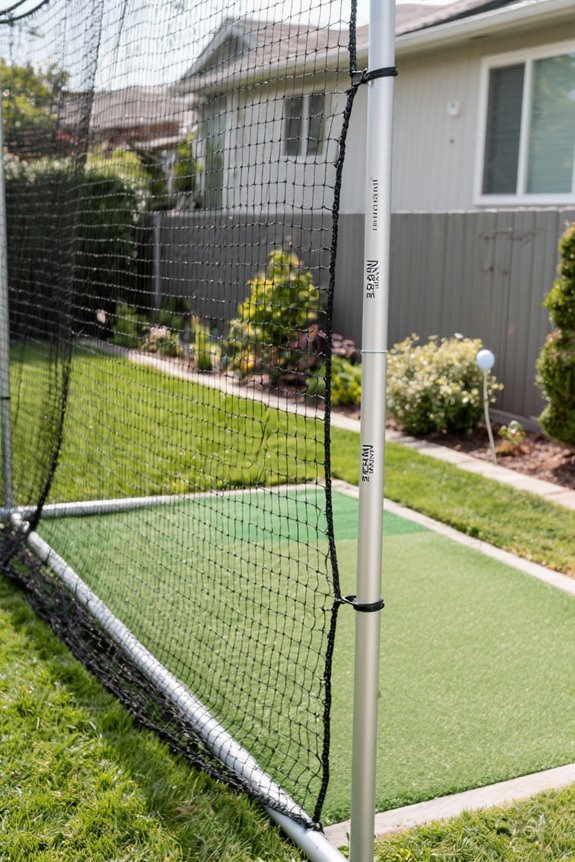
Evaluating space constraints in a yard is essential for establishing an effective golf net setup.
Key factors to contemplate include:
- Space Measurement: Measure the width, height, and length of the intended net area.
- Yard Layout: Rectangular yards simplify net placement, while odd shapes may pose challenges.
- Obstructions: Identify trees, fences, or neighboring structures that could limit space.
- Safety Buffer Zones: Maintain at least 2.5 meters (8 feet) around the net for safe swings.
- Accessibility: Guarantee easy paths to the net for maintenance and storage. Additionally, consider the dimensions typically of 10ft x 10ft for optimal hitting space when selecting your net.
Alternatives for Smaller Backyards
For those with smaller backyards, finding an appropriate golf net solution can be challenging yet achievable. Compact net options, typically 2 to 2.5 meters wide and high, provide ample catch area without overwhelming limited space. Portable and lightweight frames guarantee easy setup, while folding designs maximize convenience.
To enhance practice techniques in confined areas, golfers should focus on using irons or wedges for safer swings. Employing angled net bottoms aids ball return, minimizing retrieval range. Practicing partial swings or chip shots also optimizes safety. Additionally, investing in a net made from durable materials can ensure longevity and consistent performance, even in smaller setups.
For added versatility, modular nets with detachable side panels allow for expansion or contraction based on space. By combining these elements, even small backyards can facilitate effective golf practice while fostering a sense of community among enthusiasts.
Recommended Products

The automotive lighting control system that has been implemented has a high level of integration

48In.L x 25in.D x 27In.H cargo box outside dimensions; 46 1/2 inch x 24 inch x 25 inch inside cube for square object fit

UNPARALLELED PICTURE QUALITY: TV Projector, comes with Native Full HD 1080p Resolution, 92% Rec. 709 Color Accuracy, 3000 Lumens and high native contrast ratio for the ultimate immersive cinematic and gaming experience.
Material Durability Considerations
How does one choose the right materials for a golf net? Material strength and impact resistance are essential factors. Consider the following options:
- Polyester: Recommended for its high tensile strength, weather resistance, and longevity against golf ball impacts.
- Nylon: Offers superior traffic resistance, ideal for heavy usage, although moisture treatments may be needed for extreme weather.
- Thicker threads and smaller mesh sizes: Help absorb high-speed impacts without tearing, enhancing durability.
- Steel or fiberglass frames: Provide robust support, maintaining the net’s shape over time.
Quality materials not only prevent frequent replacements but also contribute to long-term cost efficiency and uninterrupted practice sessions. Choosing wisely guarantees that backyard golfing remains enjoyable and hassle-free, fostering a sense of belonging in the community of golfers. Additionally, selecting nets made from durable nylon ensures reliability and good value for serious golfers.
The Impact of User Skill Level on Net Size
Choosing the right golf net size involves careful consideration of a golfer’s skill level, as different stages of learning necessitate varying net dimensions.
- Beginners: They often face beginner mistakes, requiring larger nets (10’x10′ or bigger) to accommodate erratic shots and maintain safety.
- Intermediate Players: With improved shot control, they may opt for nets sized between 7’x7′ and 10’x10′, balancing space and necessary coverage.
- Advanced Golfers: As they practice advanced techniques, larger nets (up to 15’x15′) with heights of 9-12 feet become essential to catch high ball trajectories.
Additionally, understanding material durability is crucial for ensuring the net withstands the impacts of repeated practice sessions.
Each skill level dictates specific net requirements, reinforcing the importance of selecting an appropriate size to foster both safety and effective practice within available space.
Installation Considerations for Golf Nets
A proper installation strategy is integral to maximizing the benefits of a golf net, particularly after considering the user’s skill level and net size. To guarantee effective installation, follow these guidelines:
- Choose the Right Installation Site: Select a spacious, flat area without overhead obstructions to allow for safe ball capture.
- Securing Frame: Build the frame from durable materials and use secure fittings at joints. Anchor it firmly with stakes or weighted bases.
- Net Attachment: Attach the net with care, allowing slight sag while avoiding excessive tightness to prevent damage.
- Safety Measures: Guarantee adequate clearance around the net, considering the height for typical shot trajectories. Regularly inspect the net and frame for any weaknesses. Additionally, ensure that the net is made from durable materials to withstand high-impact shots and adverse weather conditions.
These steps foster a reliable and safe environment for practice.
Maintenance Tips for Longevity of Your Net
Proper maintenance plays an essential role in extending the lifespan of a golf net. Implementing effective cleaning techniques is vital:
- Remove dirt and debris regularly to prevent material degradation.
- Use mild soap and water with a soft brush for thorough cleaning; avoid harsh chemicals.
- Hose down the netting periodically to clear buildup.
- Pay attention to seams and stitched borders as they are vulnerable to wear.
For environmental protection, consider:
- Storing nets indoors or under covers when not in use.
- Positioning nets away from water sources like sprinklers.
- Rotating hitting areas frequently to distribute wear evenly.
Regular inspections will identify wear and tear, helping maintain integrity. Additionally, using high-strength materials like polyester or nylon ensures your net withstands weather elements and powerful shots. With these practices, golf enthusiasts can enjoy their nets for years to come.
Balancing Safety and Swing Confidence
Safety and swing confidence are essential elements when selecting the appropriate golf net size. A net with a minimum width of 3 meters not only guarantees safety by catching errant shots but also promotes swing freedom. This allows golfers to practice without the anxiety of missing the net, fostering practice confidence.
To achieve ideal dimensions:
- Height: 2-3 meters accommodates typical trajectories, especially with high-lofted clubs.
- Depth: Maintaining at least 2.5 meters behind the net secures safe ball rebounds.
Considering these factors allows players to refine their skills without hesitation, resulting in increased effectiveness during practice. Securely anchoring the net enhances stability, further reinforcing a safe and supportive environment. Prioritizing both safety and confidence cultivates a better golfing experience.
Cost Considerations for Different Net Sizes
Selecting the appropriate golf net size involves not only considerations of safety and confidence but also price. Cost analysis reveals significant variations:
- Smaller nets (7×7 ft) generally cost below $100, ideal for budget-conscious buyers.
- Mid-sized nets (10×7 ft) range between $130-$175, providing a balance of affordability and performance.
- Larger nets (over $250) utilize heavy-duty materials, enhancing durability.
Prices increase with net size due to material and construction demands. For instance, premium models featuring ball return systems add convenience but elevate overall costs.
When conducting a price comparison, consider future expenses: smaller nets may require replacements sooner due to lower durability, ultimately increasing lifetime costs. A larger, sturdier net often justifies its price with better safety and longevity, making it a smarter investment for avid golfers.
Recommended Products

COMMERCIAL GRADE HEAVY DUTY IMPACT SCREEN: Built to withstand high speed golf ball impacts for lasting durability; Multi layer design reduces rebound and provides a smooth projection surface for all major launch monitors

#18 Twisted Knotted Nylon

Our Cimarron Masters Complete Golf Frame has everything you need to build a safe, sturdy frame. 1" Steel frame corners and poles for constructing your frame.
Frequently Asked Questions
How Do I Determine the Best Location for My Golf Net?
To determine ideal golf net placement, one must assess outdoor considerations such as space, obstructions, and safety. A cleared, flat area away from distractions guarantees effective practice while maintaining a sense of belonging in the backyard environment.
Can I Use a Golf Net Indoors, and What Size Is Ideal?
In the domain of indoor golfing, a properly sized net installation transforms any space into a personal haven. A net measuring roughly 3m x 3m guarantees comfort, safety, and confidence while swinging, enhancing the overall experience considerably.
What Accessories Enhance My Golf Net Experience?
Net accessories like stability weights and protective covers greatly enhance the golf net experience, while performance tools such as putting mats and precision targets offer valuable practice enhancements, promoting skill development and camaraderie among golf enthusiasts.
How Can I Improve My Swing Using a Golf Net?
To improve swing using a golf net, one must focus on swing tempo and alignment, resembling a maestro refining an orchestra. Consistent practice fosters confidence, precision, and community connection among fellow golf enthusiasts, enhancing overall performance.
Are There Specific Brands Recommended for Durability and Quality?
Brand comparison reveals Spornia and Net Return excel in durability factors, ensuring longevity and reliability for avid golfers. GoSports and Gagalileo offer excellent options, appealing to those seeking quality without compromise in their practice setups.