As an Amazon Associate, we earn from qualifying purchases. Some links on this site are affiliate links at no extra cost to you. Our recommendations are based on thorough research and editorial judgment.


When Should You Incorporate Training Aids Into Practice?

Incorporating training aids into practice should occur strategically to enhance skill acquisition. Experts recommend integrating aids early in mesocycles, within 2-4 weeks, to maximize feedback and skill development. Avoid new aids close to competitions to prevent disruptions. Regular assessments of fatigue and adaptation can help optimize usage, enhancing cognitive processing. For effective goal-directed improvement, align aids with measurable objectives. Understanding when to utilize aids is essential for skill performance. More insights on matching training aids with practice phases await.
Key Takeaways
- Incorporate training aids early in mesocycles (2-4 weeks) to support foundational skill acquisition.
- Use training aids to provide immediate feedback, enhancing motor programming for beginners.
- Avoid introducing new aids close to competitions to ensure optimal performance during tapering.
- Regularly assess adaptation and fatigue to adjust the usage of training aids effectively.
- Align training aids with measurable goals to enhance engagement and improve skill development.
Identifying Skill Deficits for Targeted Improvement
You may be interested


Identifying skill deficits is essential for athletic improvement and fostering long-term development.
- Effective skill assessment begins with movement analysis.
- Coaches can spot compensatory movements during exercises, indicating limitations in strength or mobility.
- Video analysis from various angles enhances accuracy in identifying technical errors that athletes consistently demonstrate.
- A scoring system helps differentiate deficits related to strength or neuromuscular control, guiding intervention strategies.
- If discomfort arises during assessments, referral to healthcare professionals is vital for safety.
- Engaging athletes in self-assessment promotes ownership of their development.
- This structured approach creates an inclusive environment, encouraging participation and skill enhancement.
- Incorporating golf swing trainers into practice can further aid in addressing specific deficiencies.
Ultimately, addressing identified deficits prepares athletes for greater skill proficiency and reduces the risk of injury.
Optimal Timing for Using Training Aids

How can athletes and coaches maximize the benefits of training aids throughout the training cycle? Ideal timing for using training aids requires strategic planning. Key timing strategies include:
- Early Integration: Use aids in early mesocycles (2-4 weeks) to support skill acquisition.
- Feedback: Aids provide immediate feedback, enhancing motor programming in novice athletes.
- Proximity to Competition: Avoid introducing new aids close to competitions, which can disrupt tapering.
- Assessment: Regularly evaluate adaptation and fatigue to adjust aid usage. Incorporating personalized training approaches can further enhance effectiveness and ensure that the training aids align with individual golfer needs.
Recommended Products
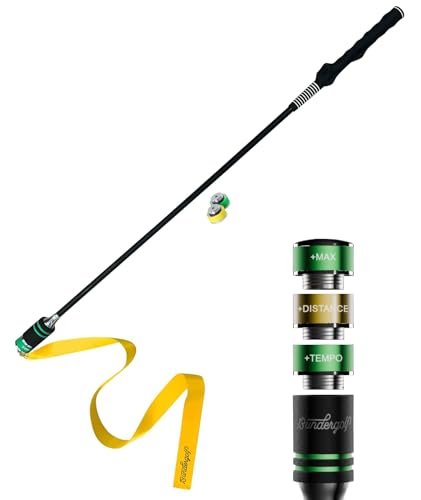
VERSATILE TRAINING: Innovative all-in-one golf swing trainer designed to improve tempo, lag, distance, and grip through adjustable weight options for both beginners and experienced players.
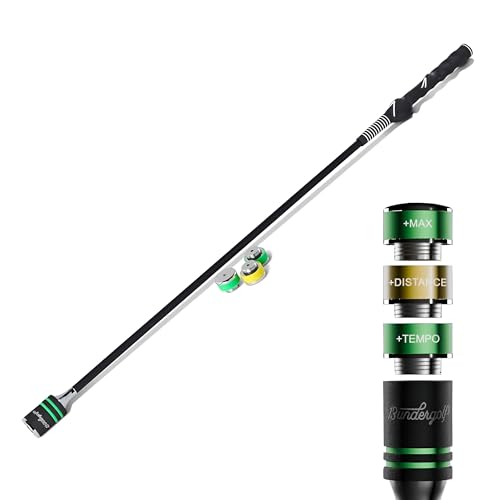
VERSATILE TRAINING: Innovative all-in-one golf swing trainer designed to improve tempo, lag, distance, and grip through adjustable weight options for both beginners and experienced players.
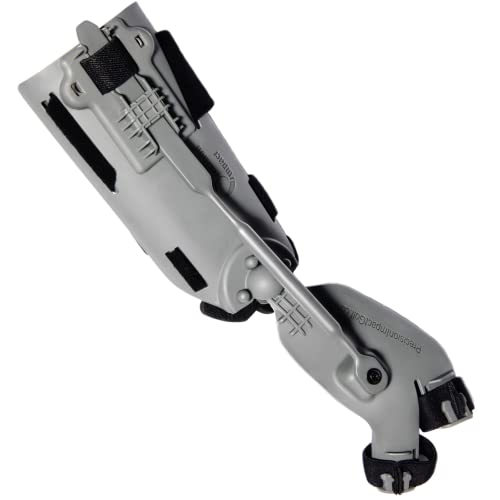
PURE SWING PRODUCTS PRESENTS: Precision Impact - The secret to Tour-Level ball compression for Right Handed Golfers.
Goal-Directed Use of Training Aids

Training aids serve as essential tools in the goal-directed practice of athletes and coaches, directly influencing performance outcomes. To maximize their effectiveness, training aids should align with client-selected goals, ensuring task relevance and motivation. Consider the following impact assessment strategies:
- Goal Alignment: Use aids that support measurable, meaningful goals to enhance engagement.
- Self-Regulation: Implement aids targeting attention for improved cognitive and motor control.
- Behavioural Control: Integrate aids for goal-directed self-talk, aiding in stress management during competition.
- Motor Learning: Select aids that promote relevant skill acquisition aligned with goals.
Incorporating technology such as SkyTrak launch monitors can provide detailed performance analysis and enhance training efficiency. Monitoring the aids’ contributions helps refine practices, ensuring they remain aligned with athletes’ needs, ultimately enhancing performance consistency and satisfaction.
Recommended Products

VISUALIZE THE GOAL. Goal shot does things cones, targets and stand-in goalies can't do: it creates visual focus on the specific zones where players are four times more likely to score.

Builds a visual focus on the zones players are four times more likely to score

VERSATILE DUMMY FOR SPORTS TRAINING - Step Over Dummy Perfect for Footwork Drills for a Variety of Sports Including Football, Soccer, and More
Practice Structure and Frequency for Maximum Effectiveness
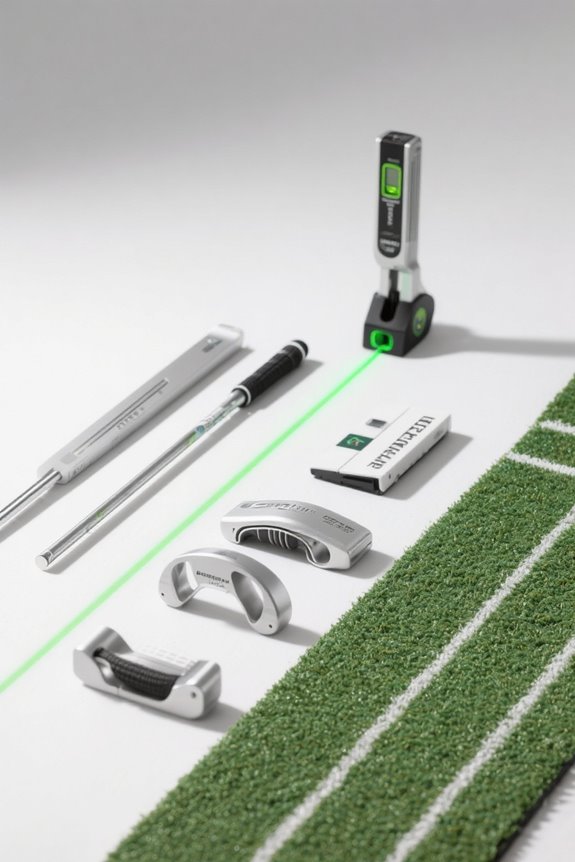
Effective practice structure and frequency are essential for maximizing skill development and performance outcomes in athletes.
- Skill Retention: Research shows that retention improves more considerably with increased spacing between practice sessions rather than sheer frequency.
- Frequency Balance: A balanced practice schedule—typically two to three sessions per week for untrained individuals—enhances both strength and skill acquisition.
- Cognitive Processing: Distributing practice allows for better cognitive shifts, fostering deeper learning.
- Quality Over Quantity: Frequent, closely spaced sessions may yield quick improvements but may compromise long-term skill retention.
Ultimately, a thoughtful practice structure that emphasizes spacing and balance can lead to considerable improvements in performance while supporting athletes’ overall development. Frequent engagement keeps motivation high and improves confidence in their skills. Additionally, incorporating structured lessons can reinforce effective muscle memory and enhance overall skill retention.
Matching Training Aids to the Training Phase

When athletes progress through various stages of skill development, the selection of appropriate training aids becomes essential in maximizing their performance.
- Early Skill Acquisition Phase: Focus on basic skill enhancement and fundamental movement patterns. Utilize tools that provide simple feedback to foster correct form. Aids restricting or guiding movement are beneficial.
- Skill Adaptability Phase: Encourage exploration of movement options. Aids promoting active problem solving help athletes adapt effectively.
- Advanced Skill Integration Phase: Support skill application in realistic contexts with aids providing real-time feedback. Incorporating precision-engineered club faces into training can enhance shot-making capabilities, fostering confidence in athletes’ striking ability.
- Rehabilitation Phase: Gradually reintroduce training with tools adjusting difficulty levels.
Recommended Products

★ Best Machine to start Embroidery Business: S-1501 Commercial Embroidery Machine with 15 Needles, 14"x20" Large Embroidery Area, Max Speed of 1200SPM, 12" Touch Screen, 270 Wide Angle Cap System, Laser Positioning, Automatic Color Change and Smart Control System, which is the most classical embroidery machine and best choice to start your embroidery business.

Upgraded new generation of machine: S-1001 Commercial Embroidery Machine in compact size and light weight with great features: Precise operating system; Auto thread trimming; Auto color changing; Self-lubrication system; Thread break detection; Newly-Added physical buttons; Laser embroidery positioning; Less noise with more stable structure; Easier maintenance; Max 100 million stitches memories etc.

Train smarter, not harder - improve your performance with insights about your current condition and support for 130+ sports including swimming and cycling. Automatically sync training data to Strava, TrainingPeaks, and more.
Integrating Training Aids With Coaching and On-Course Play
Integrating training aids with coaching and on-course play can significantly enhance athletic performance, particularly in golf. This approach fosters coaching synergy by combining expert guidance with technology. Here are key benefits:
- Personalized Training: Coaches utilize training aids for tailored feedback, adapting to each player’s needs.
- Real-Time Adjustments: Wearable sensors provide immediate data during play, helping golfers modify techniques on the spot.
- Feedback Loops: Data analyzed post-round offers insights into swing mechanics, supporting continual improvement.
- Increased Trust: Aids integrated under coach supervision are perceived as more reliable, strengthening golfer compliance.
- Enhanced Learning: Bridging practice with on-course experiences maximizes skill transfer and tactical awareness.
- Advanced Doppler radar technology used in swing analyzers allows for greater accuracy in performance measurements.
This strategy ultimately empowers players, ensuring technology enhances rather than replaces fundamental skills.
Recommended Products

Pro-Grade Accuracy with Prometrics Engine: The SC4 Pro golf launch monitor and golf shot tracker delivers precise ball and club head data, tracking from swing to impact to ball flight, offering unmatched real-time accuracy for both indoor and outdoor practice.

Advanced Doppler Radar Technology: Equipped with high-precision Doppler radar sensors for real-time, accurate tracking of both ball and club performance.

ZERO ANNUAL FEES + ENVIRONMENTAL SENSORS: Enjoy a smart app with zero subscription required! One-time download, lifetime use, and all features are fully accessible. Built-in temperature, humidity, and barometric pressure modules automatically adjust your shot data to real-time conditions. This provides true-to-life accuracy for both indoor and outdoor training with absolutely no hidden fees.
Frequently Asked Questions
What Are the Common Types of Training Aids Available?
Common training aids include resistance bands, kettlebells, speed ladders, and basketball shooting machines. These tools support visual learning and skill enhancement, fostering a sense of belonging among athletes committed to improving their performance and techniques together.
How Can I Measure Progress When Using Training Aids?
Progress assessment using training aids involves tracking performance metrics like skill acquisition, knowledge retention, and behavioral changes. Evaluating these data points helps determine the effectiveness of the training aids in enhancing overall learning and competence.
Are There Any Risks Associated With Using Training Aids?
Yes, using training aids carries risks such as injury prevention challenges and skill reliance issues. Overuse, improper supervision, and inadequate equipment quality can lead to injuries, especially in developing athletes, necessitating careful implementation and guidance.
How Do I Choose the Right Training Aid for My Needs?
Choosing the right training aid involves identifying needs and evaluating options aligned with learning objectives, audience characteristics, and content complexity. This thoughtful approach fosters engagement and inclusivity, enhancing the overall learning experience for all participants.
Can Training Aids Be Used for Different Sports or Activities?
Training aids can indeed be utilized across different sports, offering universal benefits such as improved coordination and agility. Their cross sport applications enhance athletic performance, fostering a sense of community among diverse athletes seeking shared development experiences.