As an Amazon Associate, we earn from qualifying purchases. Some links on this site are affiliate links at no extra cost to you. Our recommendations are based on thorough research and editorial judgment.


Essential Golf Equipment Checklist For Home Practice

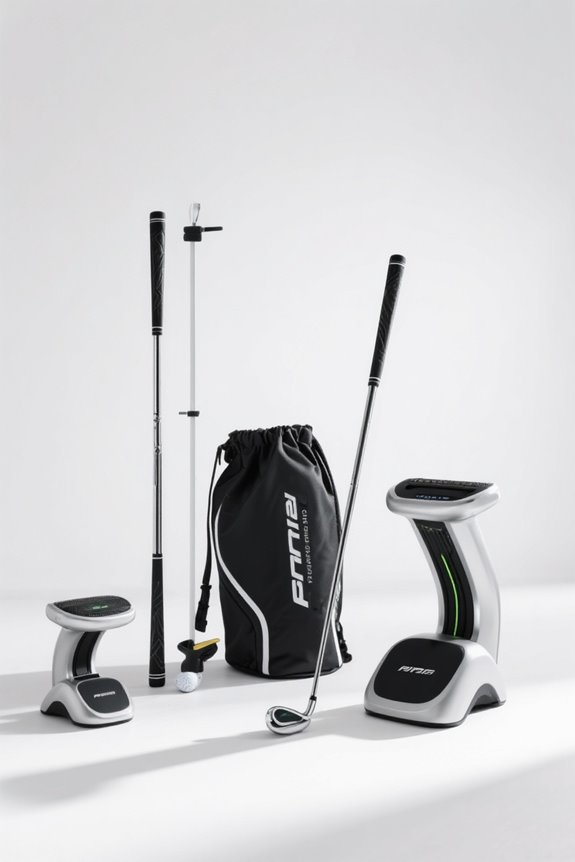
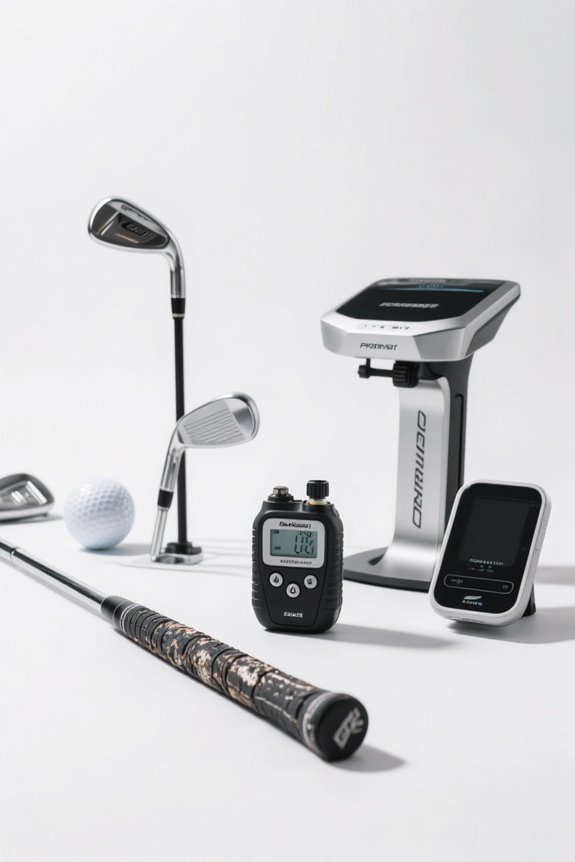
An essential golf equipment checklist for home practice includes:
- 5-7 clubs, emphasizing irons and wedges for varied drills.
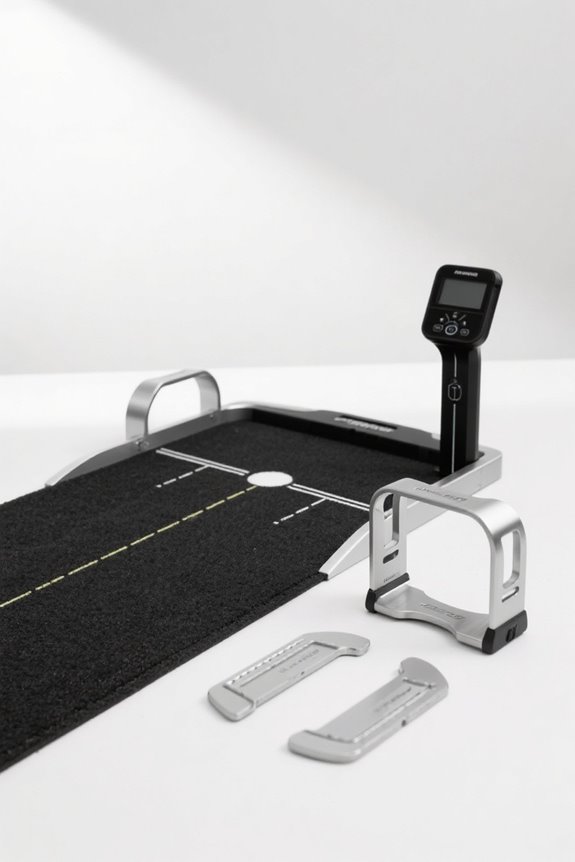
- Practice aids, like grip trainers and putting mats for skill enhancement.
- Comfortable clothing and footwear to facilitate movement.
- Lightweight or foam golf balls for safety indoors.
- A clutter-free space for focused practice.
You may be interested


With this setup, golfers can maximize their training efficiency. Exploring further will reveal more tips for effective home practice.
Key Takeaways
- Include a minimum set of 5-7 clubs, focusing on irons, wedges, and a putter for comprehensive skill practice.
- Utilize lightweight or foam golf balls for safe indoor practice, especially with visible marks for improved putting accuracy.
- Invest in practice mats that replicate turf textures and putting mats for indoor alignment and distance control.
- Incorporate training aids such as grip trainers and the Orange Whip to enhance swing mechanics and consistency.
- Maintain a clutter-free space with good lighting, ventilation, and proper flooring for an effective home practice environment.
Core Golf Equipment for Home Practice
When setting up a home practice space for golf, the selection of core equipment is essential to optimize skill development. A minimum set of 5-7 clubs is advisable to avoid clutter while catering to various drills. Key club types include:
- Irons and Wedges: Vital for short game and accuracy through indoor drills.
- Putter: Necessary for practicing putting on mats or compatible surfaces.
For added safety, indoor practice should incorporate lightweight or foam golf balls, minimizing damage risks. Standard golf balls are suitable for outdoor settings or garages equipped with nets. To enhance alignment, visible marks on practice balls promote better putting accuracy. Additionally, incorporating tools like the Golf Alignment Sticks can provide real-time guidance for swing path corrections. Creating an efficient setup with these essentials fosters a welcome space for growth among golf enthusiasts.
Practice Aids and Training Tools

Practicing golf effectively at home requires not only core equipment but also targeted aids and tools to enhance performance. Training aids play a key role in refining swing mechanics for golfers of all levels.
- Tour Striker Smart Ball: Encourages arm-body connection, improving tempo and rotation.
- Grip Trainers: Establish consistent grip; endorsed by Scottie Scheffler.
- Orange Whip: Promotes balanced swings and rhythm, essential for muscle memory.
- DST Compressor: Addresses positioning faults at impact for better iron shots.
- Putting Mats: Improve alignment and distance control indoors.
These tools create a thorough practice environment, fostering improvement and connecting golfers to their passion for the game. Investing in quality training aids can greatly elevate one’s skill set and enjoyment of golf, especially when they align with specific training goals to ensure effective practice and progress.
Accessories to Support Practice and Comfort

Effective practice in golf extends beyond just the clubs and balls; it also hinges on the right accessories that enhance comfort and organization. The selection of appropriate practice accessories can greatly improve practice efficiency and enjoyment. Key items include:
- Specialized golf bags for easy transport and organized storage.
- Practice mats and putting surfaces that replicate realistic turf textures.
- Comfort enhancements like golf gloves to reduce blisters and anti-fatigue mats that minimize physical strain.
- Easy storage solutions, such as automated ball dispensers and multi-compartment ball boxes.
- Cleaning tools like microfiber towels and club brushes to maintain equipment.
Investing in these items not only optimizes practice but fosters a more comfortable and efficient environment for golfers of all levels. Additionally, incorporating golf putting mats can significantly enhance your practice experience by providing a realistic surface to improve your putting skills.
Golf Clothing and Footwear for Practice

In the pursuit of improving golf performance, the right clothing and footwear play a critical role during practice sessions.
Golf Shirt Styles
- Polo shirts are standard, offering comfort and style.
- Breathable fabrics, like cotton blends and moisture-wicking polyester, keep players cool.
- Slight stretch improves range of motion, aiding swings.
- Choose subdued colors for a professional look.
Golf Pants and Shorts
- Lightweight, breathable, and stretchy materials enhance comfort and movement.
- Performance shorts maintain coolness in warmer conditions.
Footwear Types
- Opt for golf shoes with soft spikes for grip.
- If unavailable, trainers with good sole grip are acceptable.
- Confirm shoes provide comfort to avoid fatigue during longer practice sessions. Additionally, consider golf shoes with customized fit features, such as the BOA Fit System, to ensure optimal performance and comfort.
Selecting appropriate clothing and footwear contributes considerably to the overall practice experience.
Club and Ball Selection Guidance
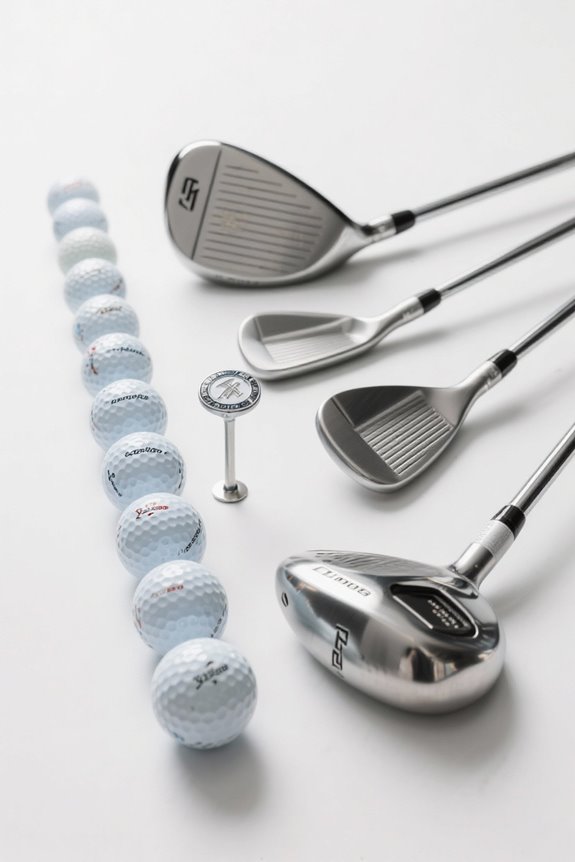
Choosing the right clubs and balls is essential for maximizing golf practice sessions. A beginner’s core set should include:
- Club Types: Driver, fairway woods (3-5), 7-iron, 9-iron, pitching wedge, and putter. Hybrids can replace long irons for added forgiveness.
- Ball Characteristics: Opt for range balls for durability or premium balls for a true course feel. Indoor practice calls for softer, foam options to minimize damage.
When selecting equipment, consider club shaft material—graphite for beginners and steel for advanced players. Also, affirm shaft flex matches swing speed. This attention to detail enhances performance and builds confidence during practice. Ultimately, the right clubs and balls create an inviting atmosphere for golfers of all skill levels, fostering growth and enjoyment in the game. Additionally, selecting clubs with oversized heads can significantly improve forgiveness on off-center hits, which is particularly beneficial for beginners.
Setup and Maintenance Essentials for Home Practice
Creating a dedicated space for home golf practice not only improves skill but also enhances the overall experience. A well-organized space setup cultivates focus and efficiency. Key elements include:
- Clutter-Free Area: Guarantees safety and consistent practice conditions.
- Lighting: Adequate illumination helps visualize swing motion and ball contact.
- Ventilation: Prevents fatigue during longer sessions.
- Appropriate Flooring: Use putting mats or impact-resistant turf to protect surfaces.
- Equipment Storage: Store mats and tools in dry, temperature-controlled areas to extend lifespan.
Regular maintenance of nets and mats promotes peak performance. Inspect regularly for wear, guaranteeing all equipment remains functional. Hitting pads provide a consistent surface, which contributes to improving swing technique and mechanics effectively. With thoughtful preparation, practice at home can foster a welcoming atmosphere for golfers of all levels.
Safety Considerations for Home Practice
Making certain a safe environment during home golf practice is essential for preventing injuries and maintaining a positive experience. To achieve this, practitioners should focus on:
- Designated Areas: Create hitting zones at least 6 feet apart. Maintain 10-15 feet clearance from nets to avoid accidents.
- Secure Equipment Setup: Use sturdy golf nets and mats rated for real ball impacts. Make certain they are placed on stable surfaces.
- Swinging Safety: Swing clubs only within designated zones, avoiding nearby individuals and making certain proper communication during group practices. Use slow-motion drills if space is limited.
- Environmental Awareness: Assess surface conditions and avoid hazards like slippery areas. Keep the practice space uncluttered for easy movement. Additionally, consider using heavy-duty materials for your golf nets to ensure longevity during repeated use.
Creating an Effective Practice Routine
To develop an effective practice routine, golfers must understand that structured sessions yield better results than haphazard efforts. Key elements include:
- Goal Setting: Define specific, measurable objectives for putting, chipping, and driving distance. Write down goals for clear goal tracking.
- Session Structure: Dedicate time blocks (20 minutes for each skill) to guarantee balanced practice. Include warm-up and cool-down phases.
- Drill Selection: Choose targeted drills like pause chipping or chair drills to refine skills.
- Consistent Evaluation: Regular practice evaluation helps adjust goals and maintain momentum.
- Dedicated Space: Create an organized area for practice with the right equipment. Incorporating tools like putting alignment mats can significantly improve your skills and enhance your training effectiveness.
Frequently Asked Questions
How Do I Choose the Right Golf Glove Size?
Choosing the right golf glove size feels challenging, but following glove sizing guidelines guarantees a perfect fit. Consider materials like cabretta leather for comfort, and remember, snug gloves elevate control and connection with the game.
What’s the Optimal Frequency for Practice Sessions?
The ideal frequency for practice sessions is three times weekly, ensuring session consistency. Each practice duration of 30 to 90 minutes enables balanced skill development, fostering a sense of belonging within the golf community.
Can I Practice Golf Indoors Without a Simulator?
Yes, one can practice golf indoors without a simulator. Engaging in indoor drills cultivates swing techniques while nurturing connection among enthusiasts, turning small spaces into intimate sanctuaries where passion for improvement flourishes amid shared aspirations.
How Do I Clean My Golf Clubs Effectively?
To clean golf clubs effectively, utilize the best cleaning products like soapy water and soft brushes. Follow club maintenance tips, ensuring thorough rinsing and drying to protect from damage and prolong equipment lifespan.
What Are Some Common Mistakes in Home Practice?
Many golfers, up to 80%, falter in home practice due to neglecting swing technique and the mental game, fostering frustration and stagnation. Purposeful drills and regular feedback are essential for genuine growth and skill enhancement.